ROOTED IN ORIGIN.
RESILIENT FOR THE FUTURE.
Our Strategy
Our mission is to ensure that everyone who contributes to the journey of coffee can prosper sustainably. We want to be active and constructive members of all communities in which we conduct business.
Coffee is at the heart of what we do. It connects our business with people, places, and nature across the world. To build a successful future for our company and our industry, coffee must remain available, attractive to grow, and viable for trade.
That is why sustainability at NKG starts on the ground. We work close to producers and local realities, turn knowledge into action, and focus on what makes coffee possible: nature, resilience, and livelihoods.
As conditions around coffee continue to change, we have refined our sustainability strategy to reflect today’s realities. We know there are no simple answers and that outcomes depend on factors beyond our direct control. Our response is not short-term fixes but thoughtful decisions that build on partnerships and balance ambition with what is realistic. This is how we work to support coffee remaining – or, in some instances, becoming – a viable choice for producers, for our partners, and for our business.
Sustainability Highlights 2025
20.9
Million
trees distributed
80%
of NKG companies worldwide
recognized as a Great Place to Work
2,400+
Colleagues
participating in the NKG Awareness Day
350+
Staff
in our Farmer Service Units
33.9%
Reduction
in Energy Inventory Scope 1 and 2 emissions since 2022
One Guiding Principle:
Economic Viability
Economic viability guides all three pillars. Without viable participation along the value chain, sustainability cannot be scaled or continue. Today, farm-level viability is most at risk: if farming families cannot earn a living, they cannot absorb shocks, invest, or adapt, leading either to their exit or worse outlooks. At the same time, long-term progress depends on viable supply chains and businesses, including our own. Where viability is secured, efforts can move beyond pilots and sustain impact. NKG’s financial strength, independence, and shareholder commitment allow us to take a long-term view and complement commercial activities with pre-competitive and non-commercial efforts, such as our support for International Coffee Partners and coffee&climate.
Three Pillars:
Nature, Resilience, and Livelihoods
Our sustainability strategy sets a clear direction for how we create long-term value in a rapidly changing coffee sector. We focus on what is material for our business and stakeholders, we prioritize action where we have leverage, and we work with partners where scale and shared responsibility are required. Our work is structured around three pillars:
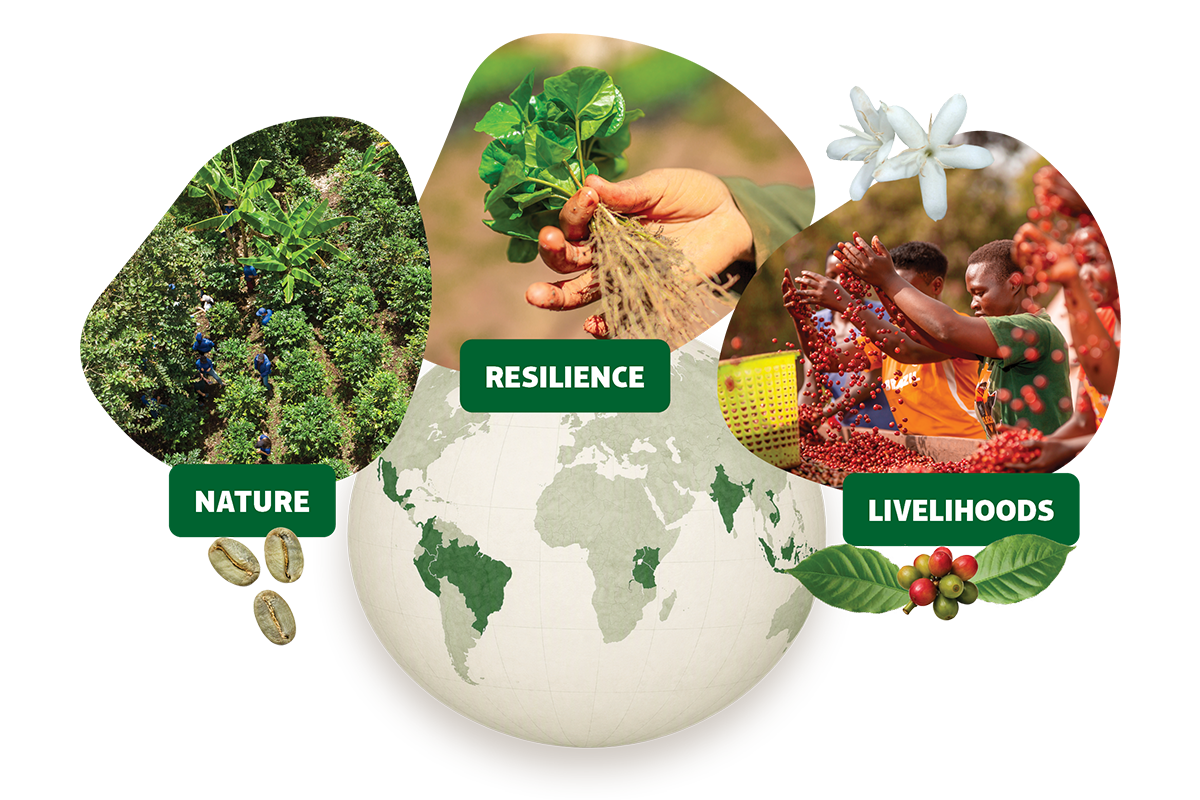
Nature
Safeguarding and regenerating the natural systems coffee depends on.
We focus on protecting forests and biodiversity and the responsible use of natural resources to live up to our responsibility. While our influence differs by origin and supply chain organization, we set up biodiversity and deforestation assessments, prioritize action in high risk areas, and align our climate approach with the latest climate science. Without healthy ecosystems, there is no coffee.
Resilience
Building the capacity to withstand shocks and adapt to disruption.
Future stability and quality of supply depend on the ability of both our operations and coffee producers to cope with climate impacts, volatility and change. We assess climate risks across our operations and integrated supply chains and support adaptation pathways that help keep coffee economically viable. Resilience is a core pillar because disruption is no longer the exception – it shapes coffee every season.
Livelihoods
Supporting viable livelihoods and advancing human rights efforts.
We work with coffee-farming families to improve their livelihoods and advance human-rights efforts — as an essential part of responsible business conduct and a reflection of our values. By strengthening human rights due diligence across our operations and supply chains, we build the data and partnerships needed to understand where livelihood gaps exist and how we can close them. Viable livelihoods are a prerequisite for a healthy sector that benefits all stakeholders.
Projects
Sustainable Harvest, Brighter Future: Coffee Innovation in Huila
Strengthening Female Coffee Growers
Sustainable Harvest, Brighter Future: Coffee Innovation in Huila
Strengthening Female Coffee Growers
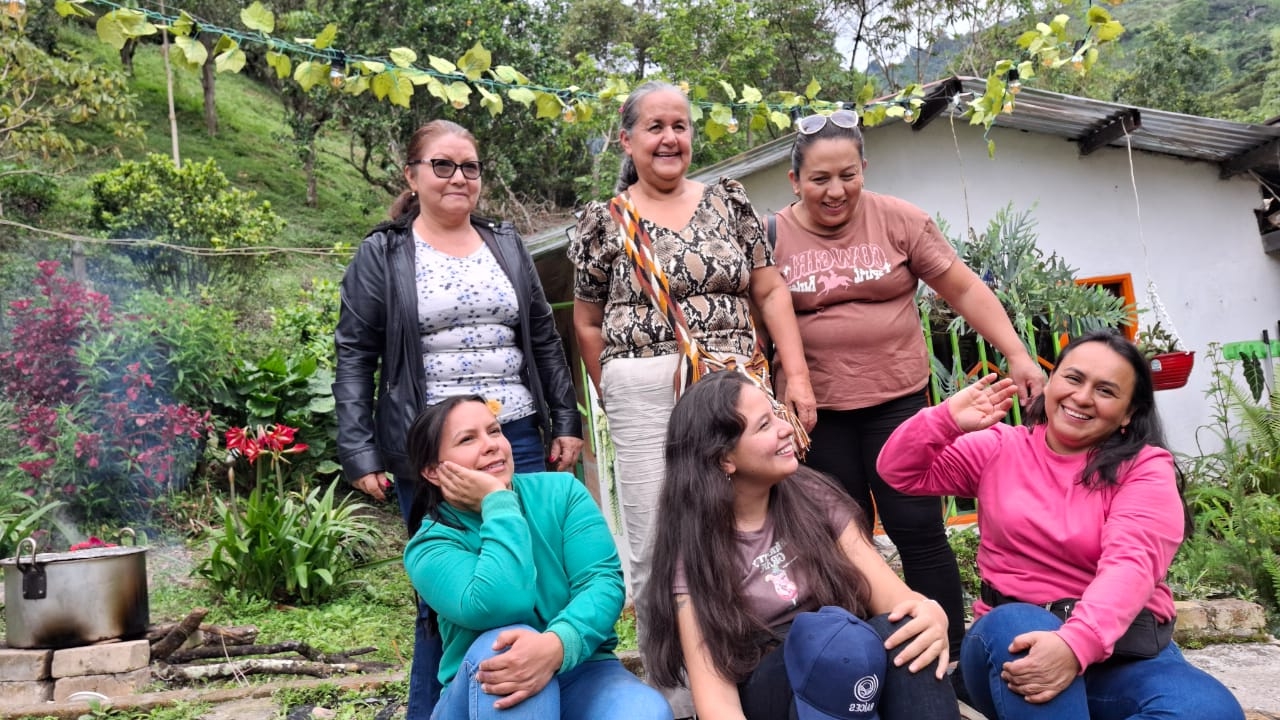
The "Sustainable Harvest, Brighter Future: Coffee Innovation in Huila" project, a collaborative initiative implemented by SKN Caribecafé with the support of IDH – The Sustainable Trade Initiative and Nespresso. Over the past year, the project has worked directly with 1,000 women coffee growers from the Nespresso AAA Program, placing them at the center of a strategy designed to strengthen productivity, sustainability, economic resilience, and long-term prosperity for coffee-growing families. Recognizing that sustainable change starts with people, the project adopted a holistic approach focused on empowering women as agents of transformation within their households and communities. Through a behavioral science assessment with a gender perspective, the project generated valuable insights into the motivations, challenges, and aspirations of women coffee growers, helping shape interventions that respond to their realities and needs.
Uganda Coffee Landscape Action Partnership
Addressing human rights and sustainability risks
Uganda Coffee Landscape Action Partnership
Addressing human rights and sustainability risks
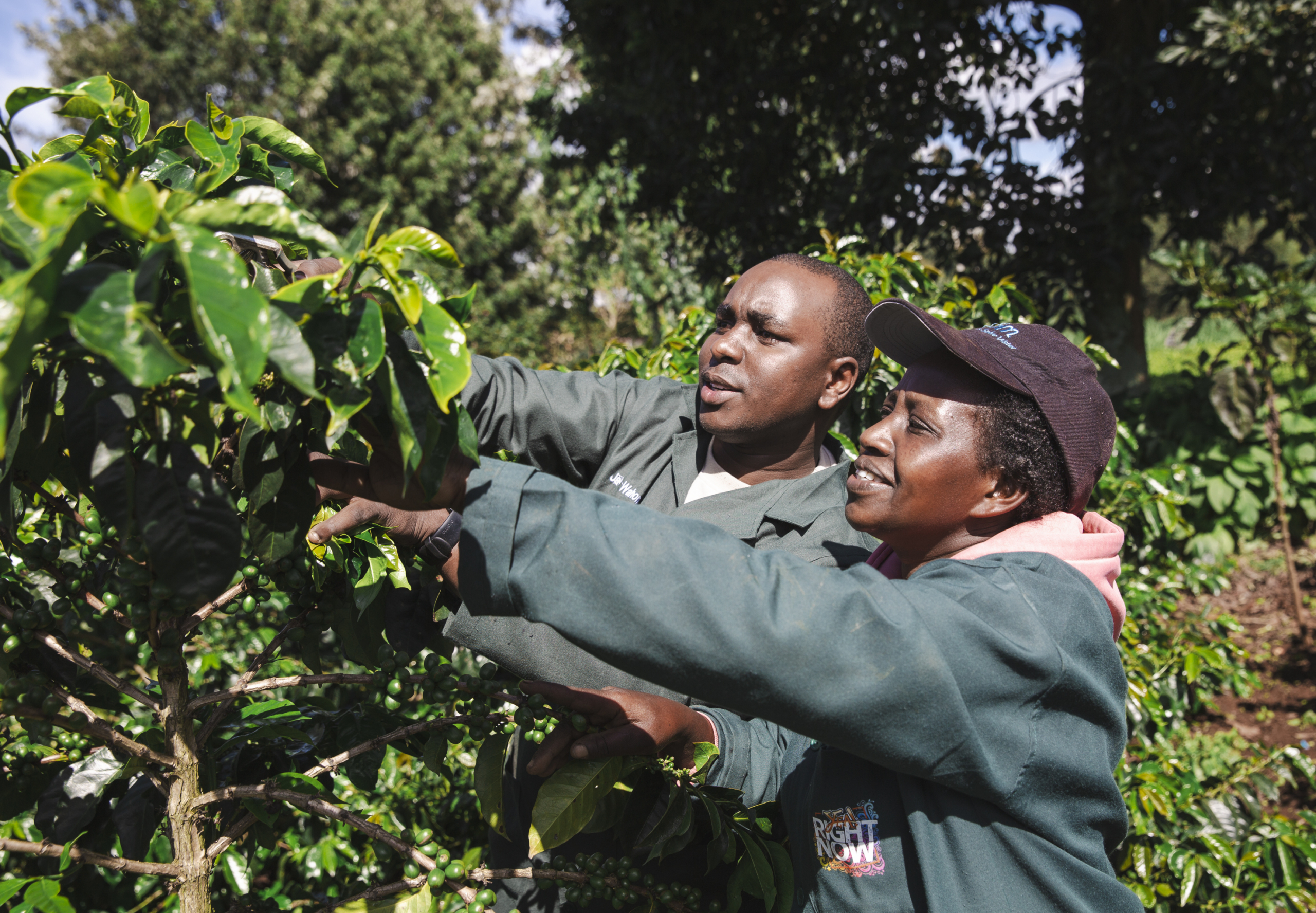
Uganda Coffee Landscape Action Partnership (U CLAP) is a pre-competitive initiative bringing together key coffee sector stakeholders, Export Trading Group (ETG), Neumann Kaffee Gruppe (Ibero Uganda), and Sucafina (Ugacof), to address human rights and sustainability risks collaboratively in Uganda’s coffee supply chain. Supported by the Netherlands Enterprise Agency (RVO) and Impact Lines as an independent secretariat, the partnership aligns with evolving EU regulatory requirements, including the CSRD and EUDR. In collaboration with 60 Decibels, U CLAP conducted a comprehensive risk assessment across eight districts in the Greater Masaka region. The study engaged 913 smallholder farmers and 198 hulling station workers to capture firsthand insights into supply chain risks. An innovative survey approach, allowing respondents to indicate the number of applicable issues rather than disclose specific experiences, revealed that the prevalence of sensitive risks may be up to five times higher than measured through direct questioning alone. The findings establish a robust baseline for identifying and prioritizing human rights risks faced by vulnerable groups and strengthening the partners’ ability to implement effective due diligence frameworks. Importantly, the assessment underscores the value of directly engaging affected stakeholders to improve transparency and ensure that interventions are responsive to local needs. Building on these insights, U CLAP is currently developing mitigation measures that focus on two priority risks in collaboration with Solidaridad and CropLife Uganda. As the U CLAP partnership expands, it aims to scale its monitoring and intervention efforts beyond the original region, further enhancing responsible sourcing practices across Uganda’s coffee sector.
Regenerative Agriculture and Carbon Project
Advancing climate smart coffee production in Brazil
Regenerative Agriculture and Carbon Project
Advancing climate smart coffee production in Brazil
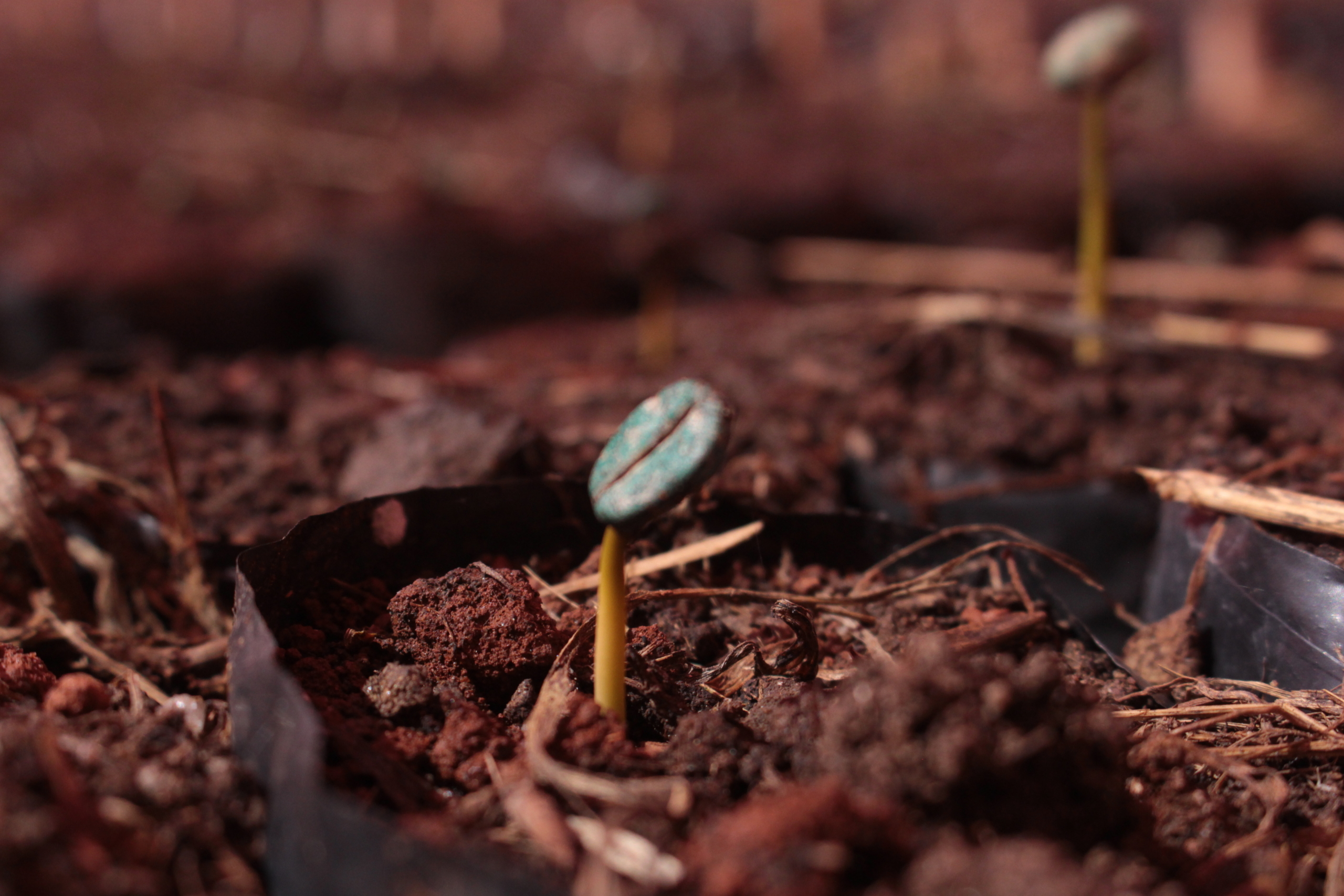
The Regenerative Agriculture and Carbon Project implemented by NKG Stockler in partnership with NESCAFÉ focuses on advancing climate smart coffee production in Brazil. Located in Sul de Minas (Minas Gerais) and Mogiana (São Paulo), the project aims to promote healthier coffee plantations while reducing greenhouse gas emissions. At its core, the initiative supports the transition to regenerative agriculture practices, combining improved soil management, optimized fertilizer use, and the application of organic and biological inputs to address climate-related challenges and strengthen long-term farm sustainability. The scope of the project covers two NKG Verified supply chains, reaching more than 140 farmers across more than 20,000 hectares of coffee cultivation. A network of agronomists works closely with farmers to implement practices and provide hands-on support, while a network of model farms serves as demonstration sites to test and showcase regenerative approaches under real field conditions. Key intervention areas include improved soil health management, fertilization based on soil testing, composting, integrated pest management, and farmer training to ensure the adoption and scaling of these practices. To ensure transparency and track progress over time, the project includes continuous data collection and emissions accounting aligned with recognized methodologies. In addition, it generates co-benefits such as improved water management, increased biodiversity, and reduced input costs for farmers, contributing to both environmental impact and economic viability at the farm level.
Childcare Centers for Coffee-Producing Communities
Support of the operation of childcare centers
Childcare Centers for Coffee-Producing Communities
Support of the operation of childcare centers
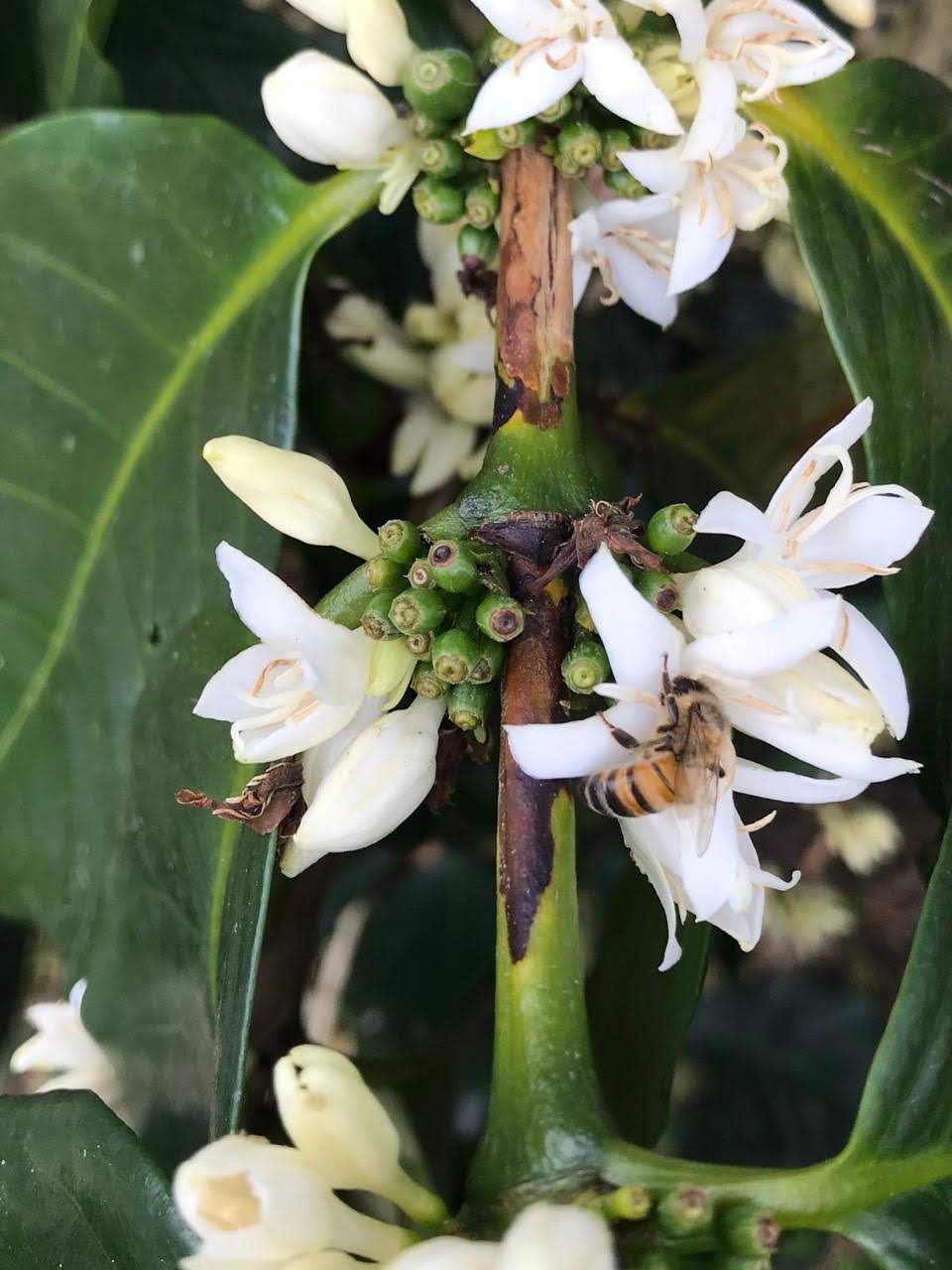
Seasonal coffee harvesting in Honduras is associated with an increased risk of child labor, particularly in rural producing regions where families often depend on family labor during peak harvest periods. This risk is most pronounced during the harvest season, when parents work long hours on farms and have limited access to safe childcare alternatives. Addressing this risk is part of NKG’s broader approach to human rights due diligence in its coffee supply chains. During the 2025-2026 harvest season, BECAMO supported the operation of childcare centers in coffee-producing communities in western Honduras through local supply chain partners. Seven childcare centers operated for a period of 33 days between December 2025 and January 2026 in the departments of Intibucá, Lempira, and Ocotepeque. The centers provided care for children aged 3 to 14. Each center was staffed with trained coordinators, educators, and support personnel, and operated under defined procedures for supervision, attendance tracking, and child safeguarding. In total, 512 children were enrolled across the seven centers, with an average attendance rate of approximately 70% during the operating period. Over the course of the program, the centers provided more than 47,000 meals, contributing to children’s nutrition alongside daily care and activities. The project was implemented in collaboration with local cooperatives and community organizations supporting local ownership and operational continuity.
Climate Resilient Coffee Farming
Strengthening farmers’ capacities through training
Climate Resilient Coffee Farming
Strengthening farmers’ capacities through training
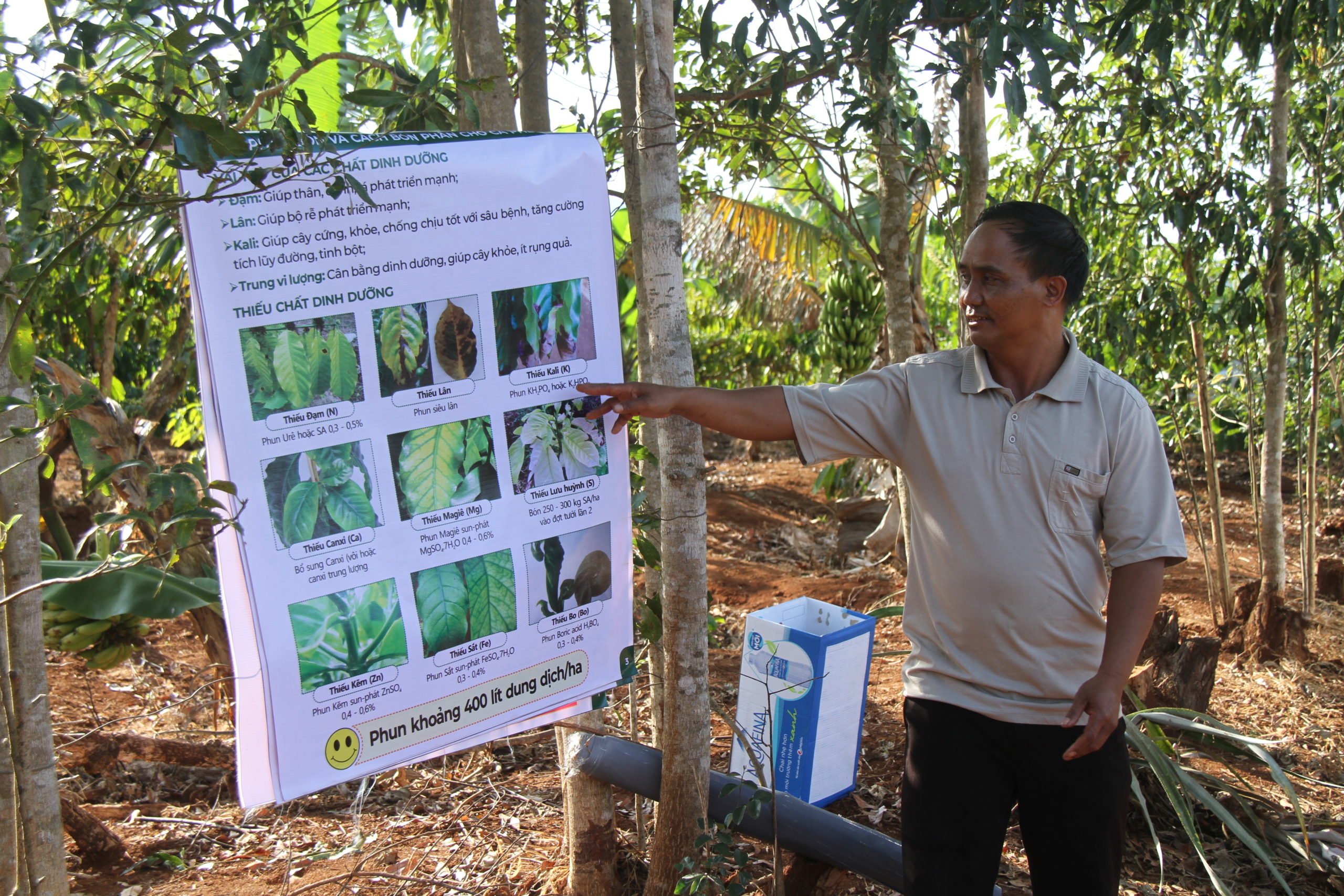
The approach focuses on directly strengthening farmers’ capacities through practical and participatory training methods. This includes classroom-based training, training-of-trainers programs, and farmer field schools. Regular coaching visits supplement the knowledge and skills specific to each farmer and their farm conditions. The knowledge and skills gained from training help farmers change their farming habits by adopting good agricultural practices that protect the environment, improve soil health, and increase coffee yields. Providing fruit trees for intercropping provides shade, helps coffee farms adapt to climate change, and increases farmers' income. In addition, the establishment of demonstration farms and study tours for farmers to the demonstration farms is organized to encourage mutual learning, knowledge exchange, and the adoption of best practices.
Carbon Initiative Uganda
Climate Change Adaptation and Resilience & Living and Prosperous Income
Carbon Initiative Uganda
Climate Change Adaptation and Resilience & Living and Prosperous Income
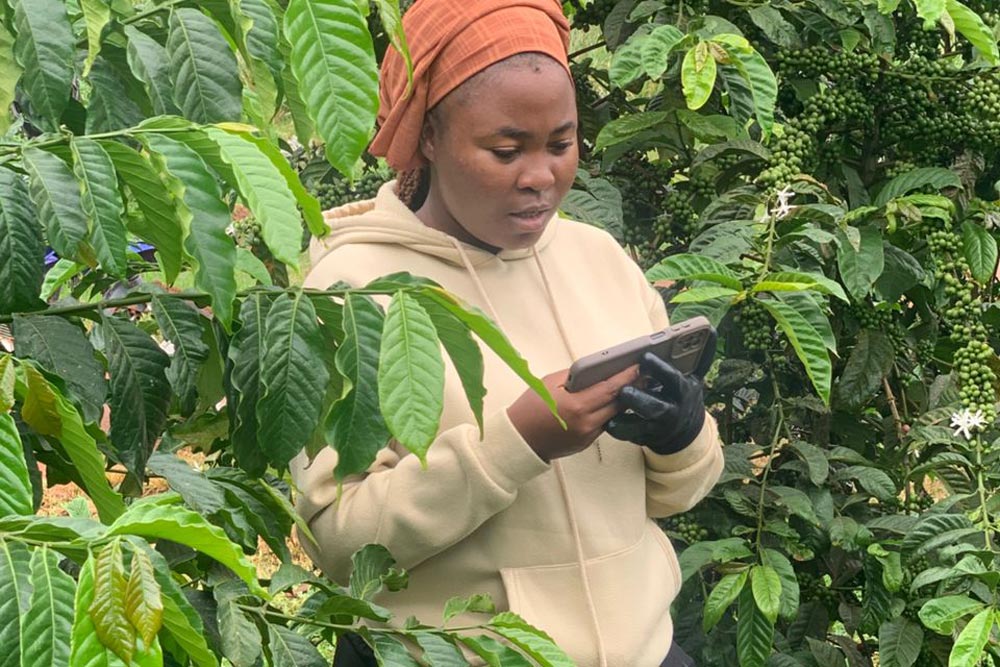
This project by Ibero Uganda and NKG Bero Italia targets large-scale Scope 3 emission reductions through the application of sustainable practices across 4,057 acres. Beyond climate impact, the initiative targets to deliver co-benefits including improved farmer livelihoods, enhanced ecosystem services, and increased biodiversity.

Strategic Partnership for Green Coffee Sourcing in Western Kenya
Climate Change Adaptation and Regenerative Agriculture
Strategic Partnership for Green Coffee Sourcing in Western Kenya
Climate Change Adaptation and Regenerative Agriculture
A partnership with JDE Peet's, Ibero Kenya, Bernhard Rothfos, and Gusii Coffee Farmers Cooperative Union. Post-Harvest Infrastructure and Efficiency Improvement across all wet mills by renovating infrastructure. Strengthen compliance and operational consistency by developing and enforcing SOPs aligned with Kenyan labour, OSH2, and environmental laws. Promote regenerative and climate-smart agriculture by training at least 70% of farmers in the catchment area on soil health, coffee nutrition, IPM, and water conservation.

Inoi Project
Enhance the resilience and livelihoods of smallholder coffee farmers
Inoi Project
Enhance the resilience and livelihoods of smallholder coffee farmers
In partnership with Tchibo, Rainforest Alliance, and Ibero Kenya the project aims to enhance the resilience and livelihoods of smallholder coffee farmers in Kenya by addressing key challenges, including climate change impacts, market volatility, and limited access to finance and sustainable practices. The ultimate goal is to ensure that coffee farming remains a viable and profitable long-term livelihood.
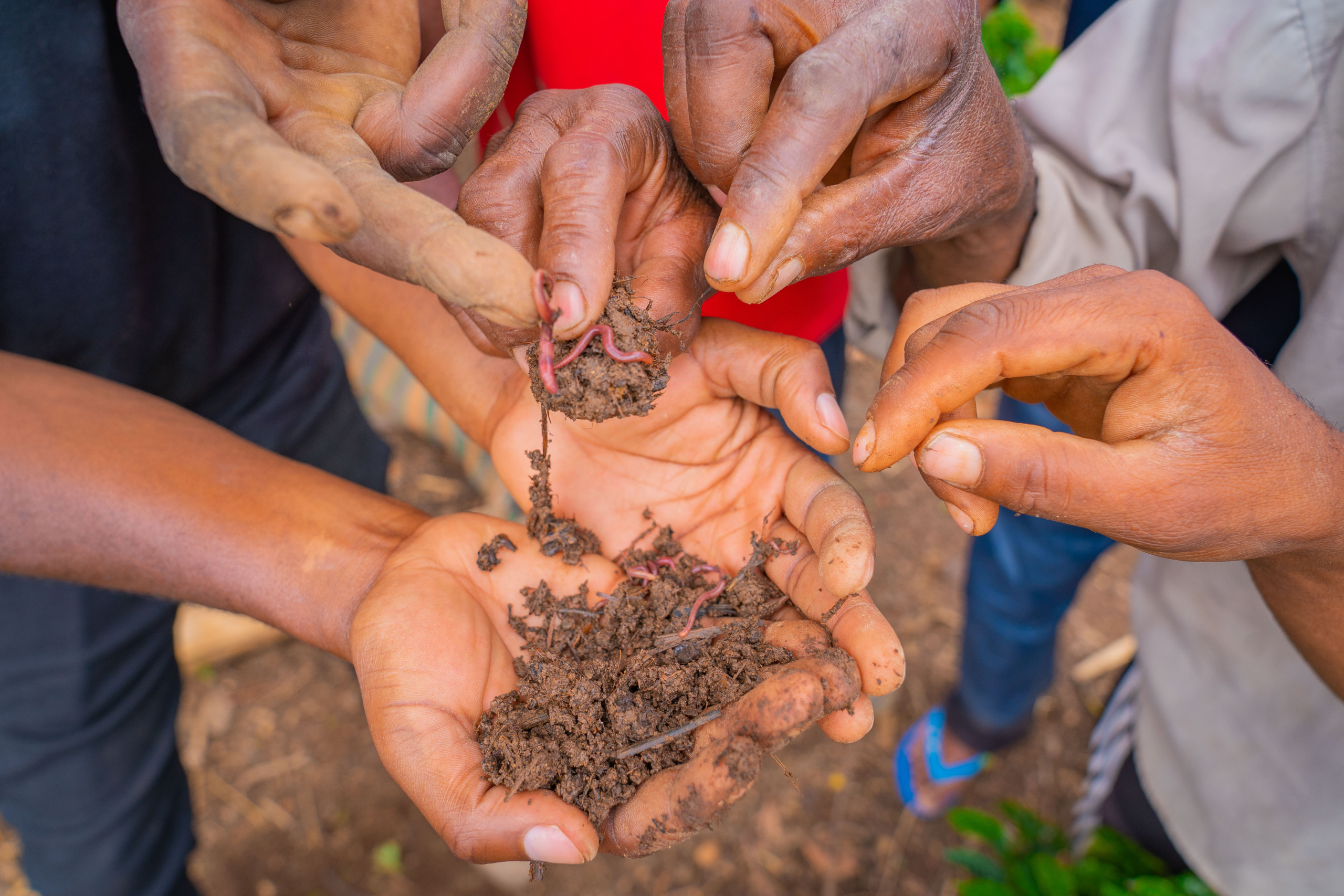
100 Farmers
Enhance productivity, improve market access, and promote modern farming techniques
100 Farmers
Enhance productivity, improve market access, and promote modern farming techniques
By targeting 100 smallholder farmers and aiming to influence 5,000 farmers and Agricultural and Marketing Cooperative Societies (AMCOS) in Southern Tanzania's Mbeya Rural and Mbozi Districts, the project aspires to enhance productivity, improve market access, and promote modern farming techniques.
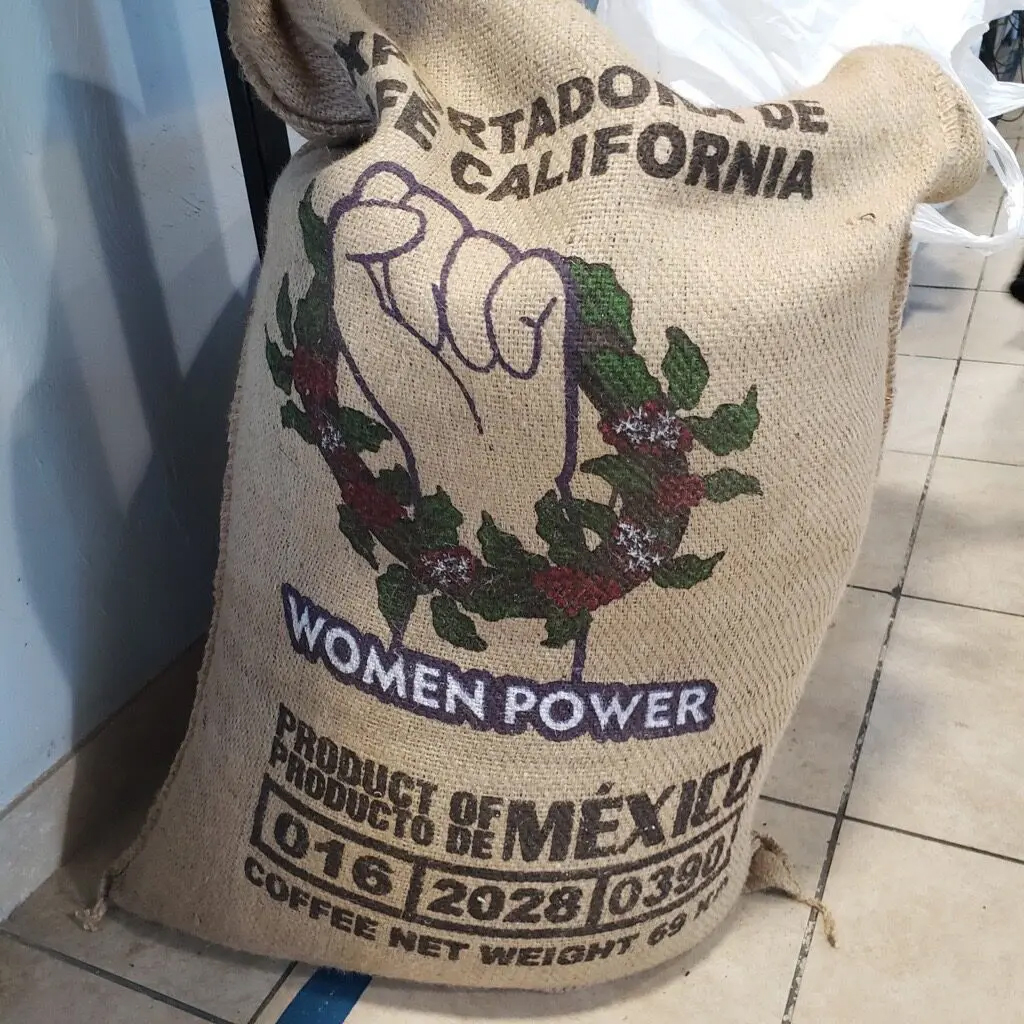
Woman Power Zongolica
20 women grow and produce coffee
Woman Power Zongolica
20 women grow and produce coffee
"Women Power Zongolica" is a coffee grown and produced by 20 women. WPZ comes from women in the Zongolica region of Veracruz, Mexico. The region is deeply influenced by the rich, ancestral heritage of its people, most of whom identify as part of the Nahuas indigenous group. Across generations, the Nahuas have shared their language and wisdom about plants, rivers, animals, mountains, the planet and the universe through storytelling by their elders. Coffee farms in Zongolica are agro-ecosystems, meaning the farms take into account the impact of the farming well beyond the farm and work to balance the energy and nutrients to preserve the region’s biodiversity. Intercropping and forest conservation are among the practiced tactics. The coffee was pulped with hand-cranked de-pulpers, washed and dried on patios for 15 days. Twenty producers contributed to this lot, and each adhered to the same practices on her own farm. The women who contributed to WPZ are also part of NKG Bloom, the initiative of NKG to ensure the long-term viability of green coffee supplies and provide smallholder farmers with the opportunities and resources they need to run their farms at full potential and enter pathways out of poverty.
Our Initiatives
In line with the new sustainability strategy, we are reworking our initiatives to enhance synergies and value creation at both ends of our supply chain.
How we work with Farmers
NKG Bloom
NKG Bloom was born in late 2017 as our sustainable sourcing strategy. Taking a farmer-centric perspective, NKG Bloom provides integrated services to coffee-farming families, enabling them to turn their farms into viable businesses, improving their livelihoods, and securing a stable supply of coffee.
Traceability, Transparency, Assurance
NKG Verified
NKG Verified was launched in late 2020 as NKG’s in-house program for coffee that meets key sustainability criteria. The sustainability criteria are aligned with industry standards and cover all stakeholders from farm to export. Through NKG Verified, customers gain greater visibility into their supply chains and have the ability to engage all the way up to the farm level.

Sustainability Statements & Stories
Four major sustainability and development organizations are combining existing work on green coffee buying practices for a broader effort [...]
Green coffee service group Neumann Kaffee Gruppe (NKG) has published its Sustainability Report 2026. This CSRD-aligned report provides a [...]
For International Women’s Day 2026, NKG launched the “Give Diverse Voices a Stage” initiative to give women across the [...]
To support targeted climate action across the value chain, we have developed a Carbon Calculator in partnership with Meo [...]
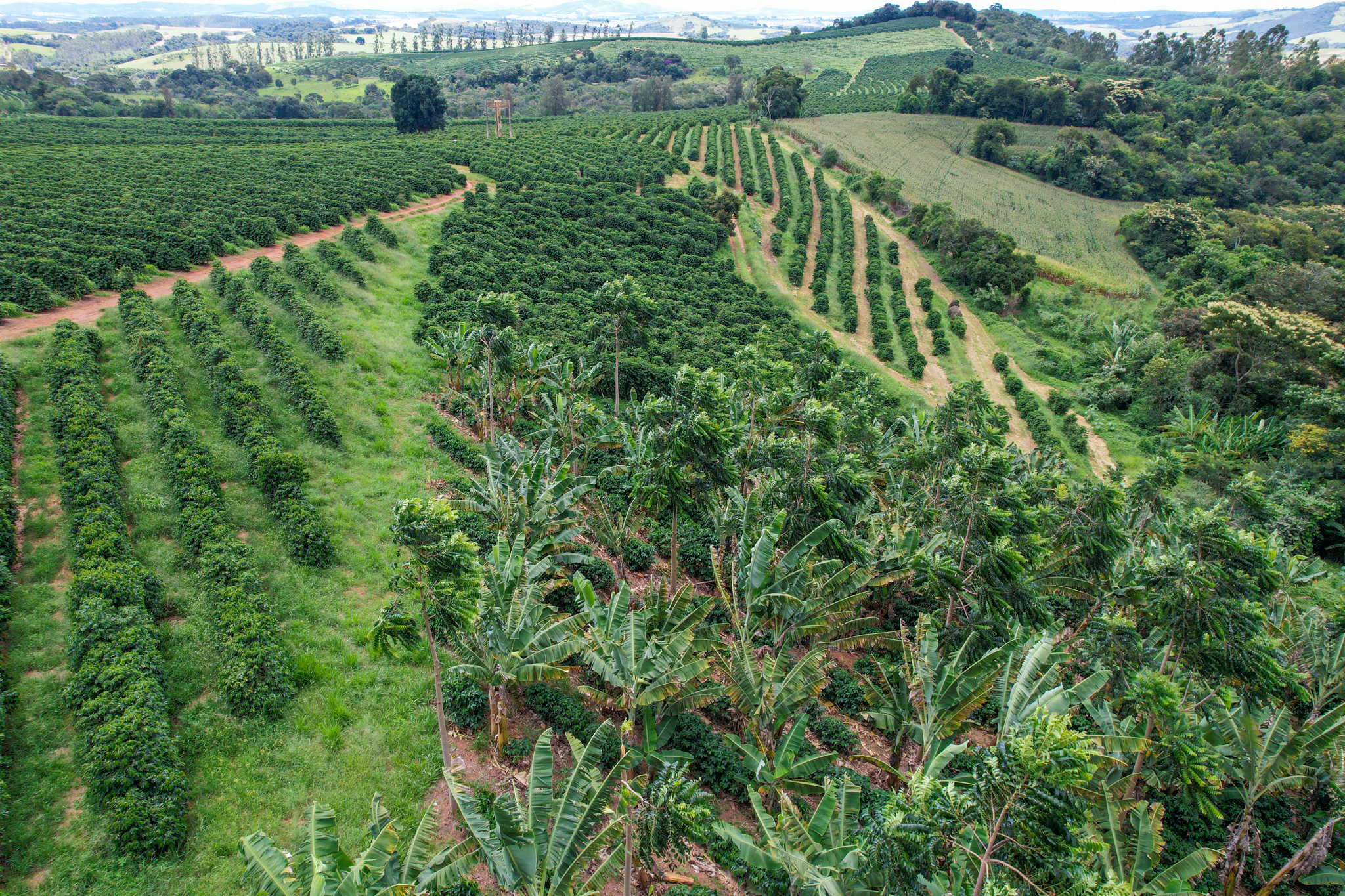
Reducing emissions within our own operations is a key initial step in the implementation of the Climate Action Plan [...]
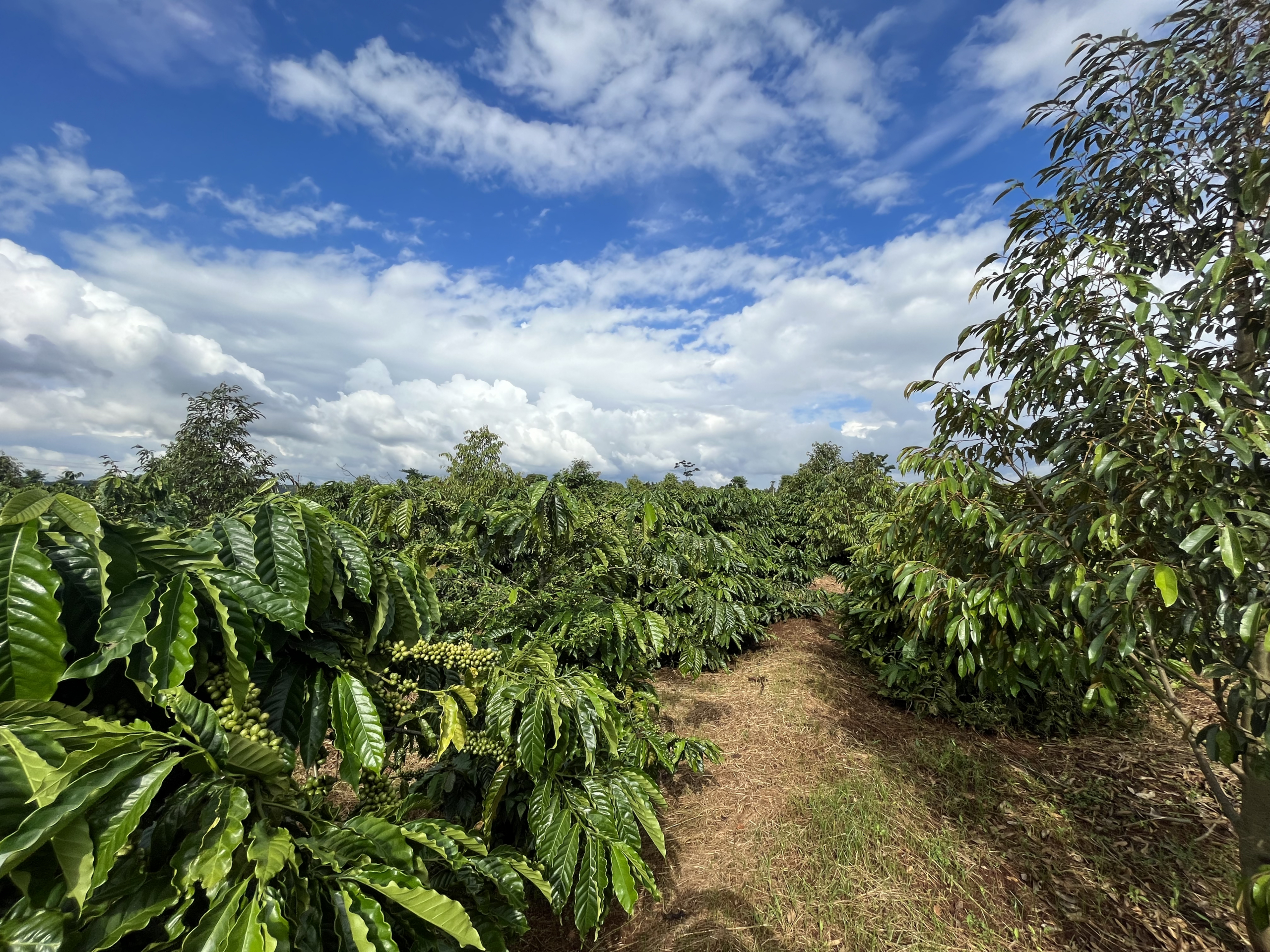
NKG began preparing for implementation of the regulation at an early stage, with key systems and processes in place [...]
Scope 3 emissions from green coffee, primarily generated at the farm level, account for the largest share of our [...]
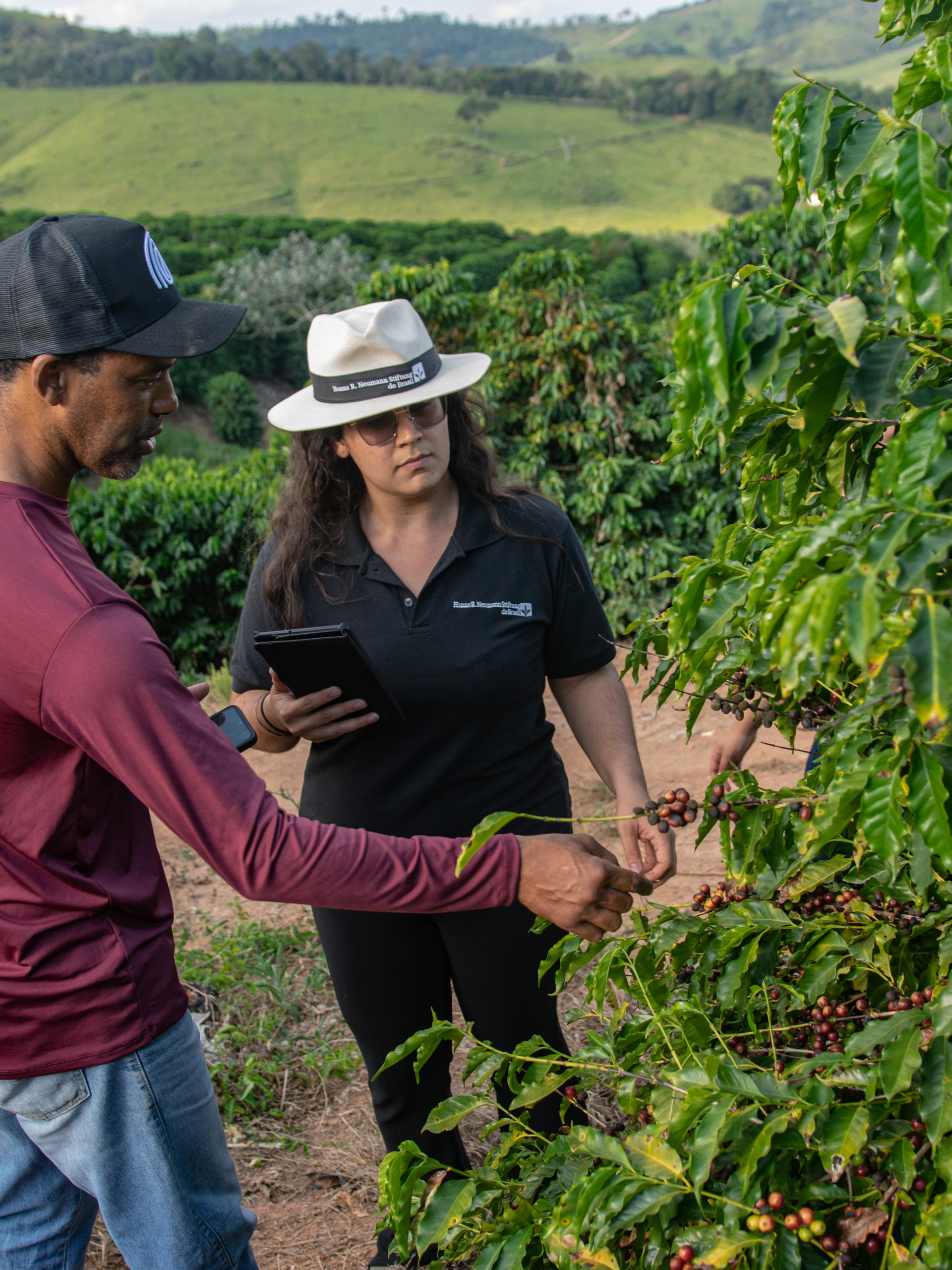
With the introduction of our updated sustainability strategy, NKG has further reinforced its approach to contributing to a more [...]
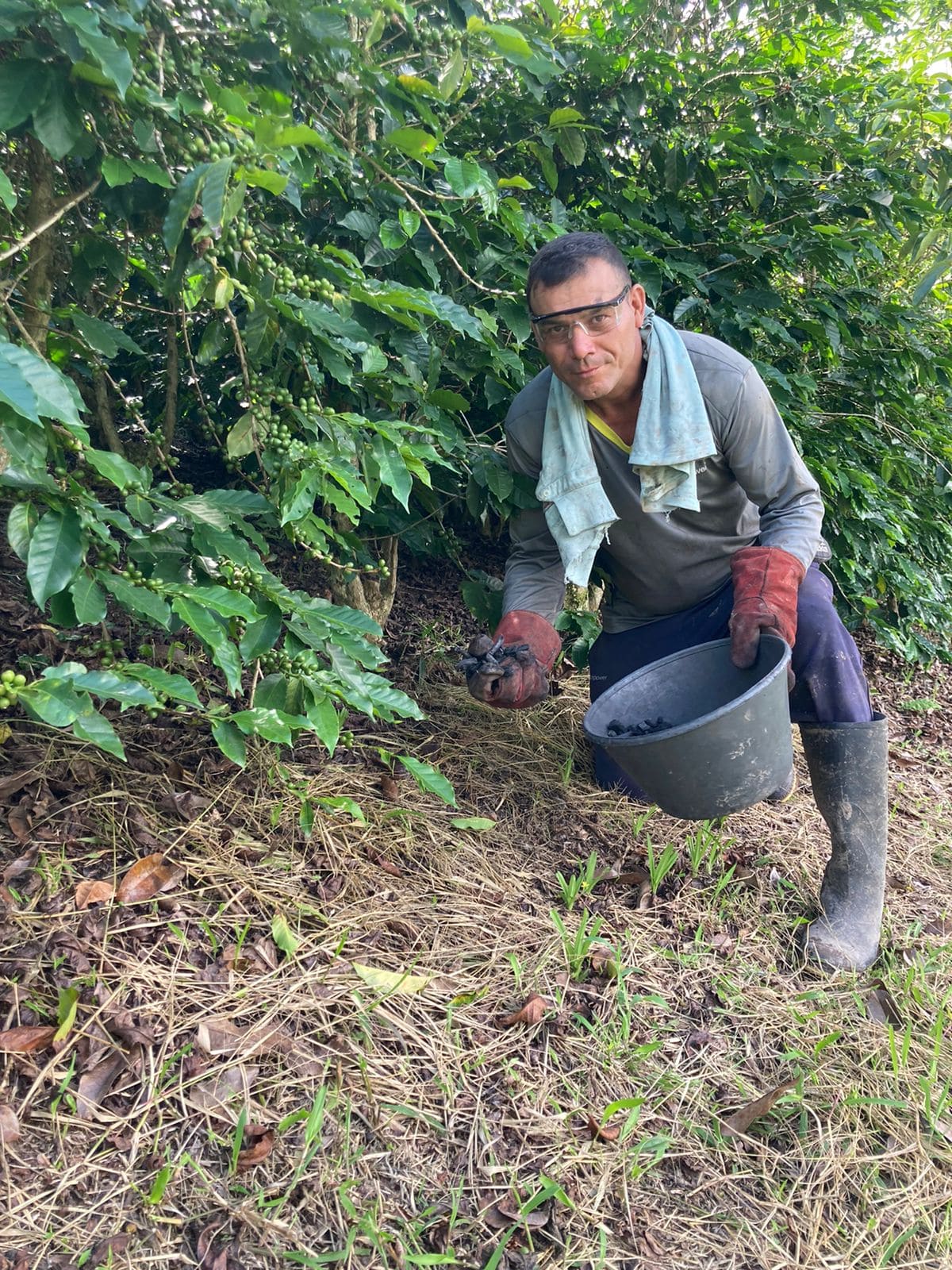
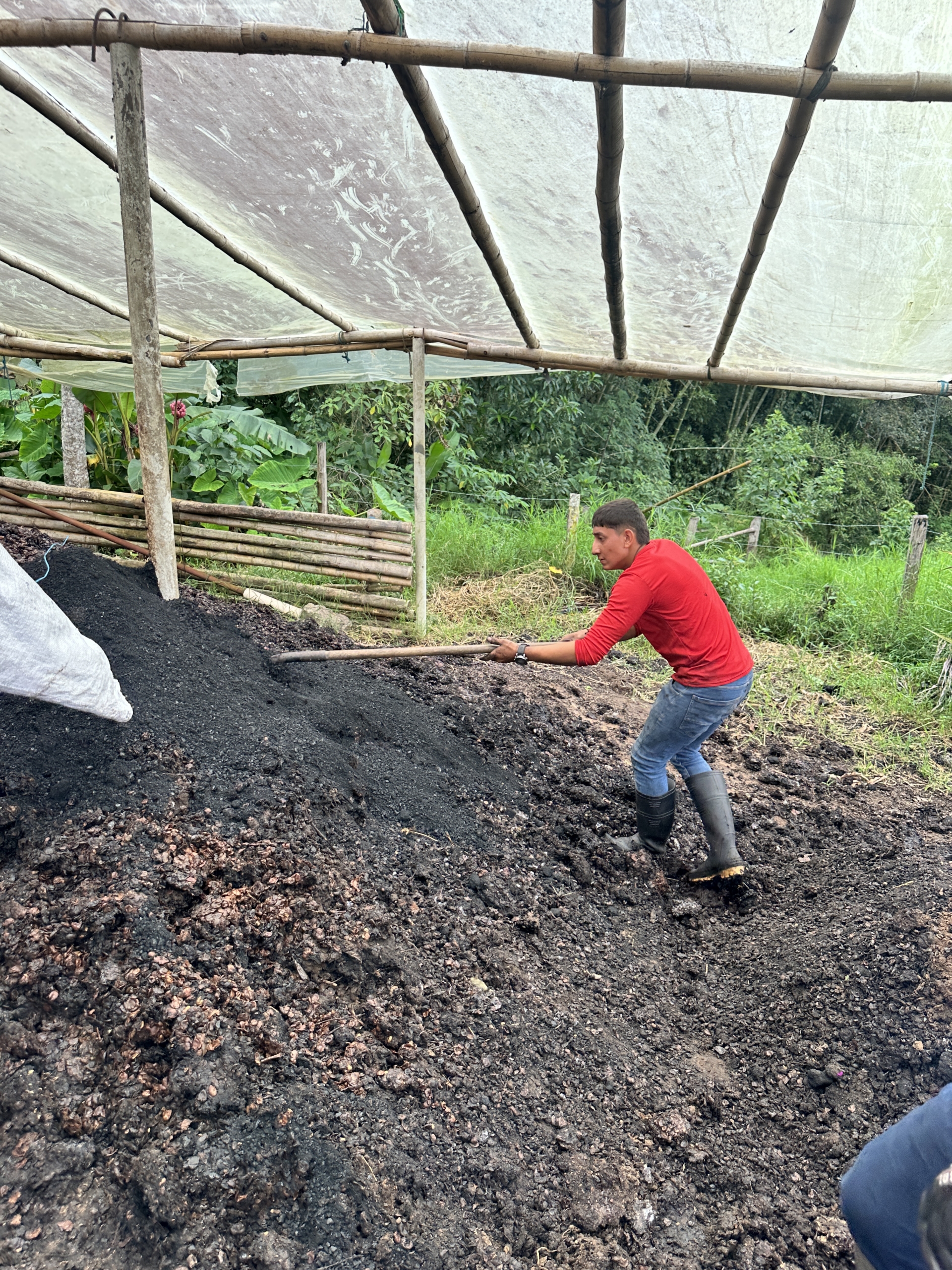
Neumann Kaffee Gruppe and its partners are scaling biochar in Colombia, transforming coffee waste into a super substance contributing [...]
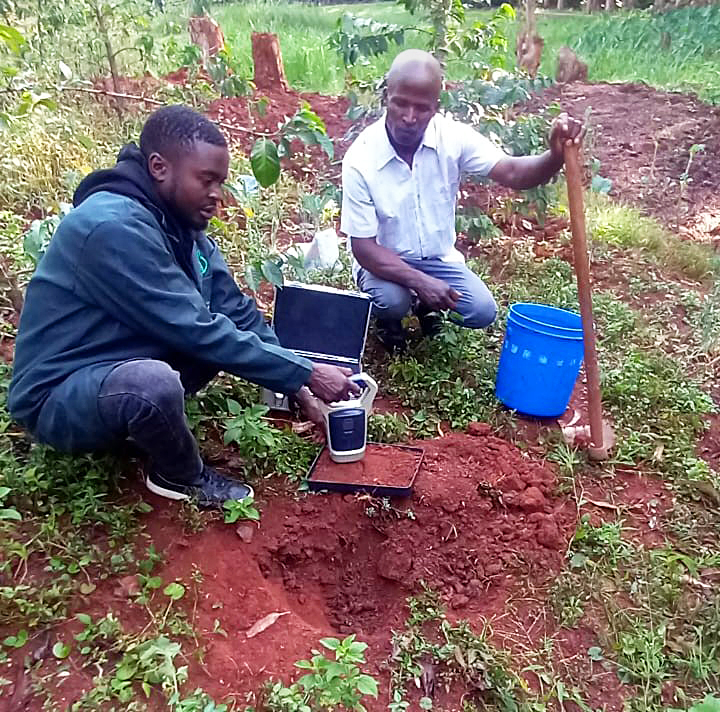
As pressures mount on Kenyan coffee, integrated nutrient management – guided by portable soil testing – is helping farmers make [...]
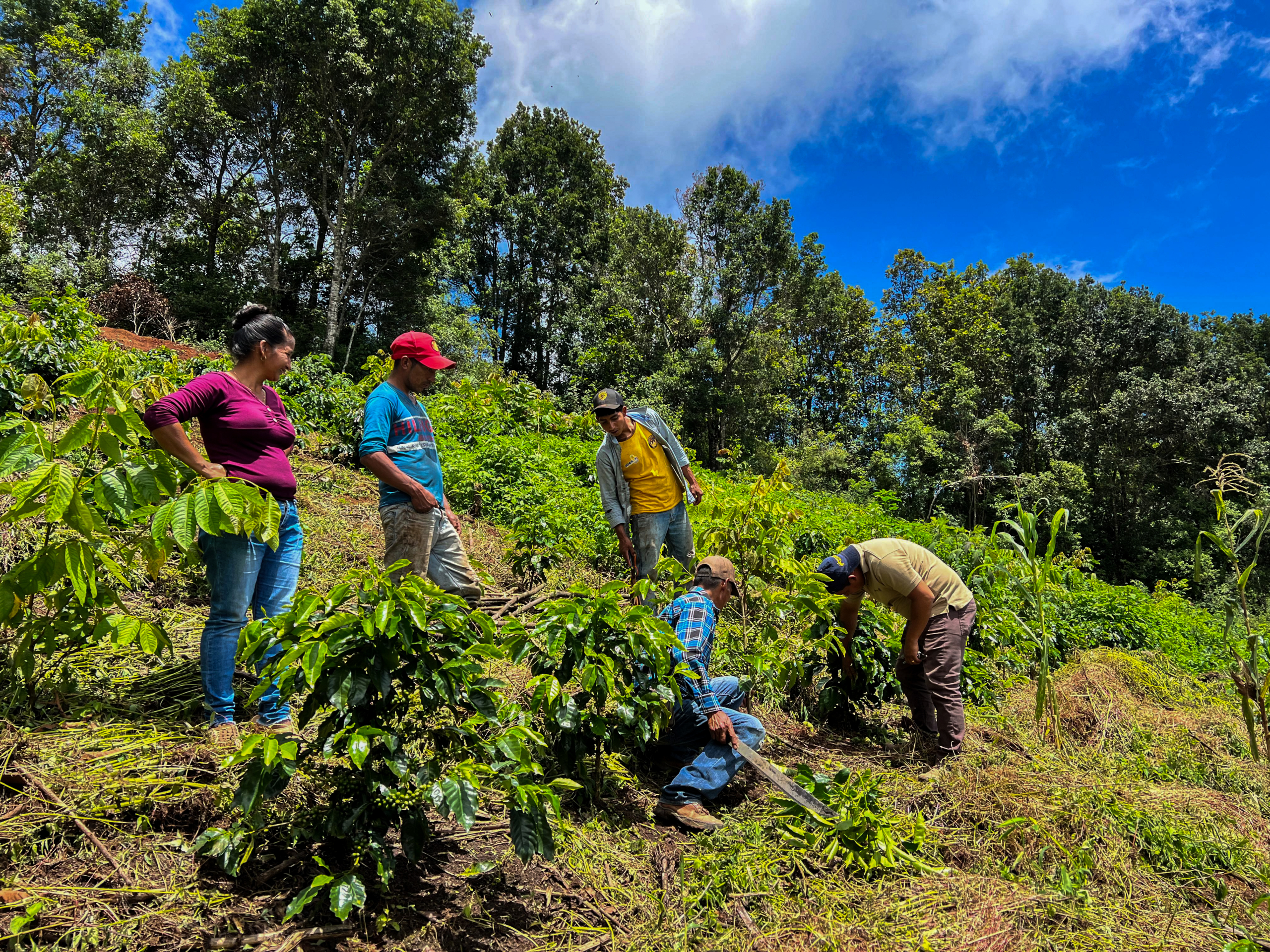
With the latest harvest behind them, Honduras’ smallholder coffee farmers are adopting methods that protect yields and crop resilience [...]
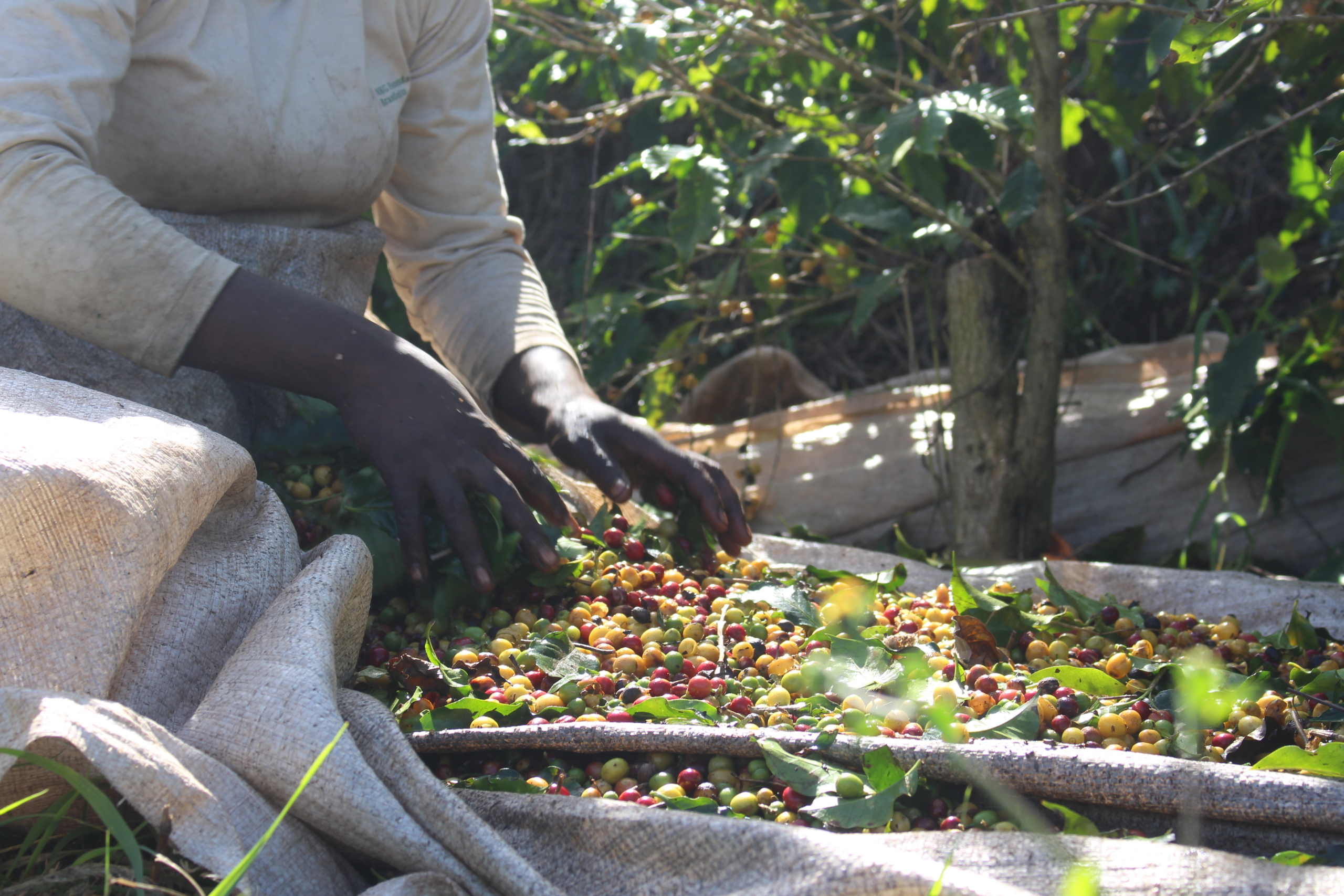
Our mission at NKG is to ensure that everyone contributing to the coffee journey can prosper sustainably. We are [...]

Together with leading companies in the coffee sector, NKG is participating in the newly launched Coffee Canopy Partnership, an [...]

Globally operating green coffee service group Neumann Kaffee Gruppe (NKG) has successfully completed its first group‑wide employee survey, achieving [...]

Green coffee service group Neumann Kaffee Gruppe (NKG) is proud to announce the expansion of its collaboration with GrainPro [...]

Neumann Kaffee Gruppe’s commitment to sustainable supply chains is central to the NKG Sustainability Report 2024, published on September [...]
The European Union Deforestation Regulation (EUDR) presents significant challenges to companies dealing with agricultural commodities, such as Neumann Kaffee [...]

Neumann Kaffee Gruppe (NKG) supports a thriving, sustainable coffee sector for generations to come and works as Global Coffee [...]
Together with other companies, Neumann Kaffee Gruppe (NKG) has joined the new inter-agency project “Ending Child Labour in Supply [...]
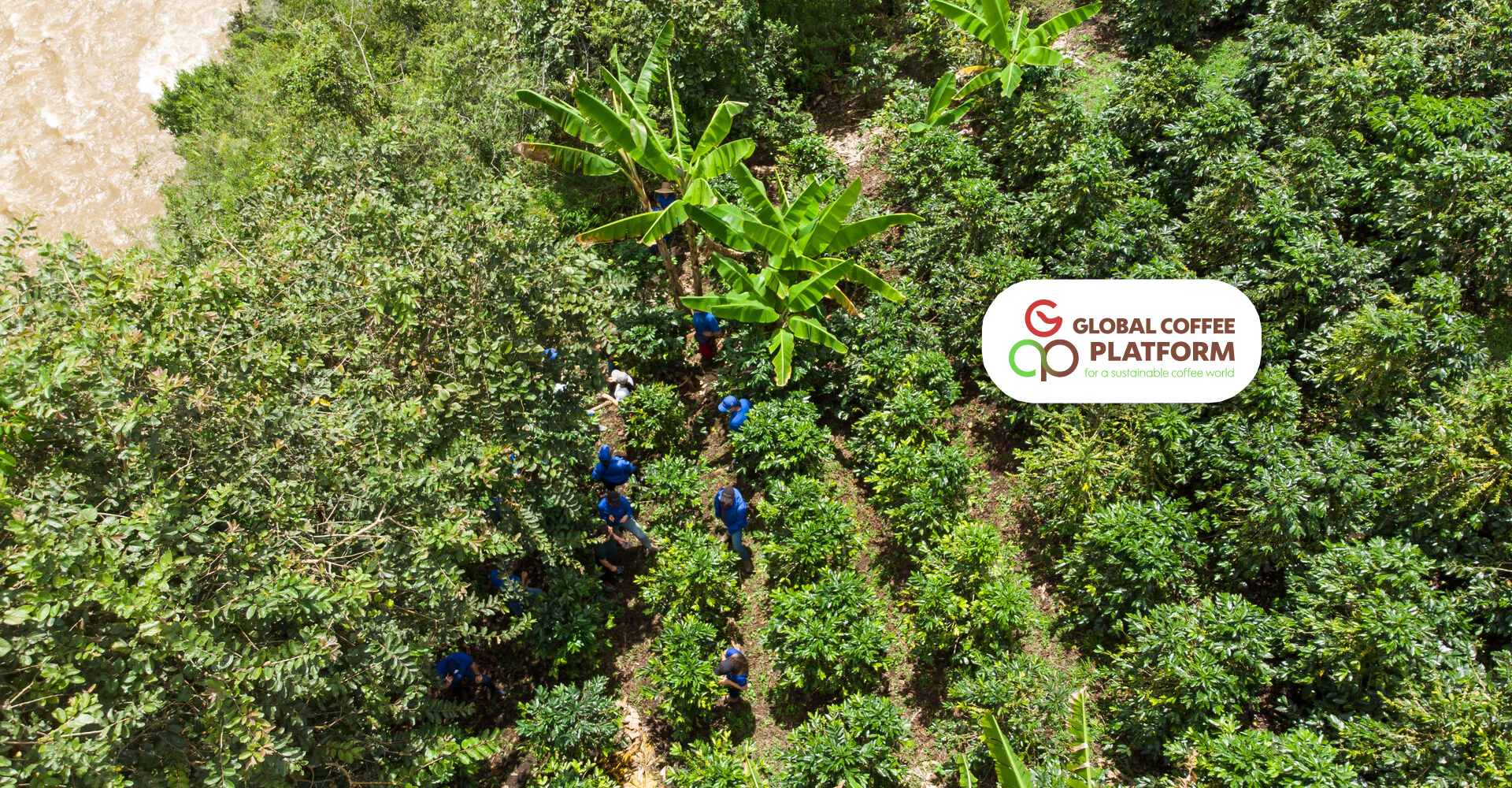
Neumann Kaffee Gruppe (NKG) participated in the Equivalence Mechanism 2.0 with NKG Verified, its program for sustainable coffee supplies [...]
Partnerships & Engagement
We want to contribute to a more sustainable future in the coffee industry. However, solving major sustainability challenges will always require industry-wide approaches and the joint commitment of different players. NKG believes in the power of collaboration. We actively engage in multiple initiatives to enhance industry dialogue and to address complex sustainability topics that go far beyond our own supply chain.