Let’s secure the future of coffee together!

We all know that the coffee industry is facing major challenges,
but we are convinced that joint efforts can lead us on the right path.
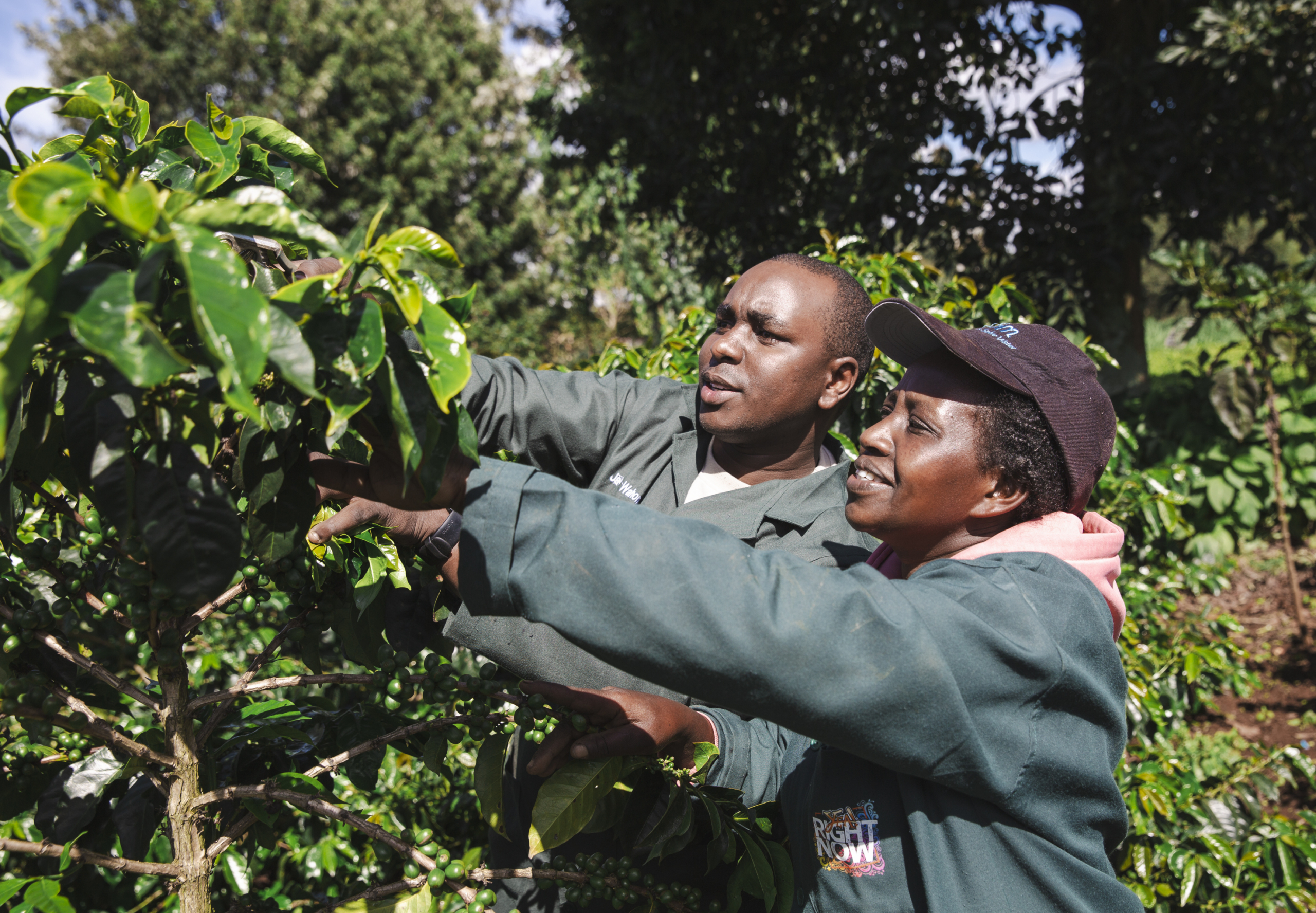
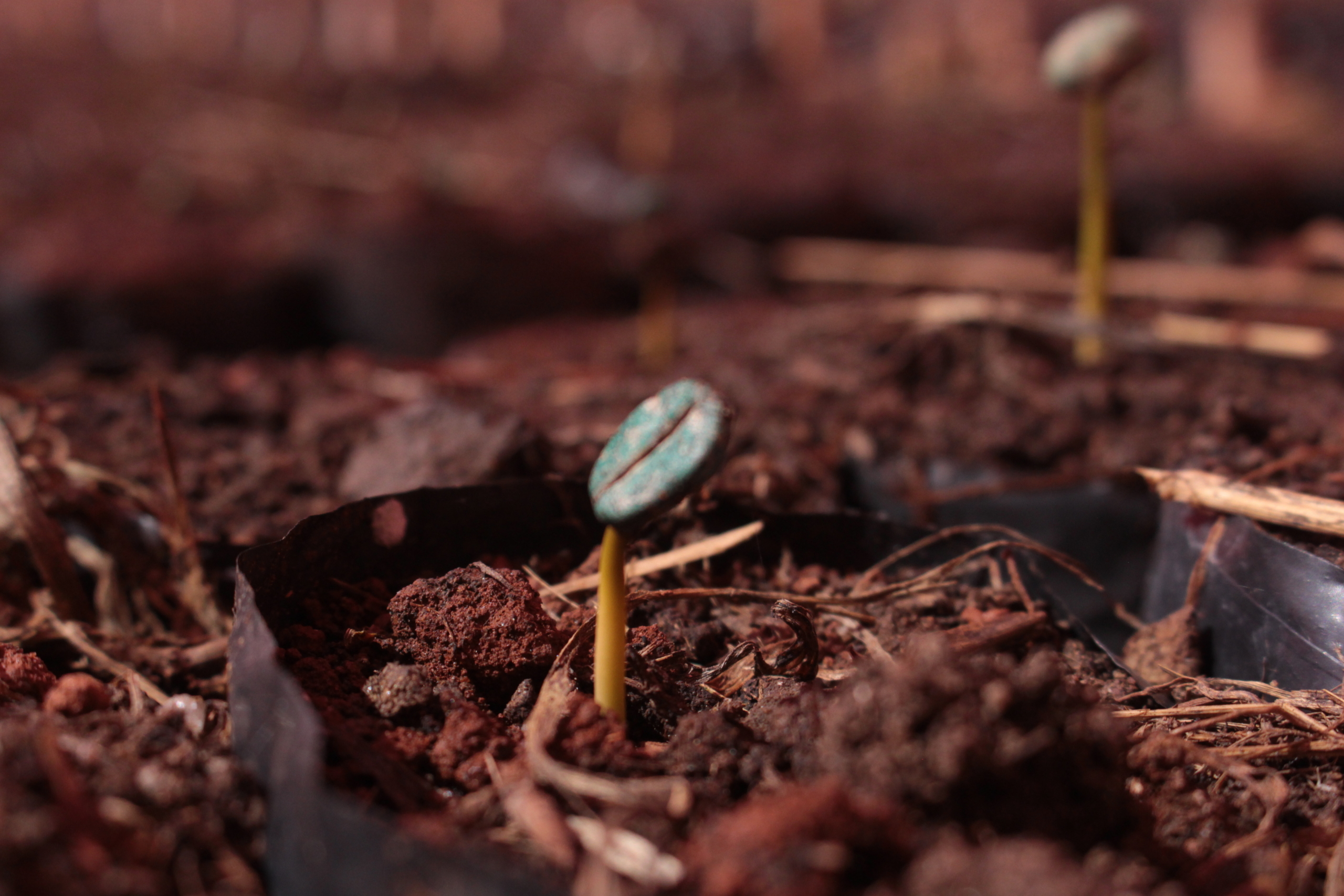
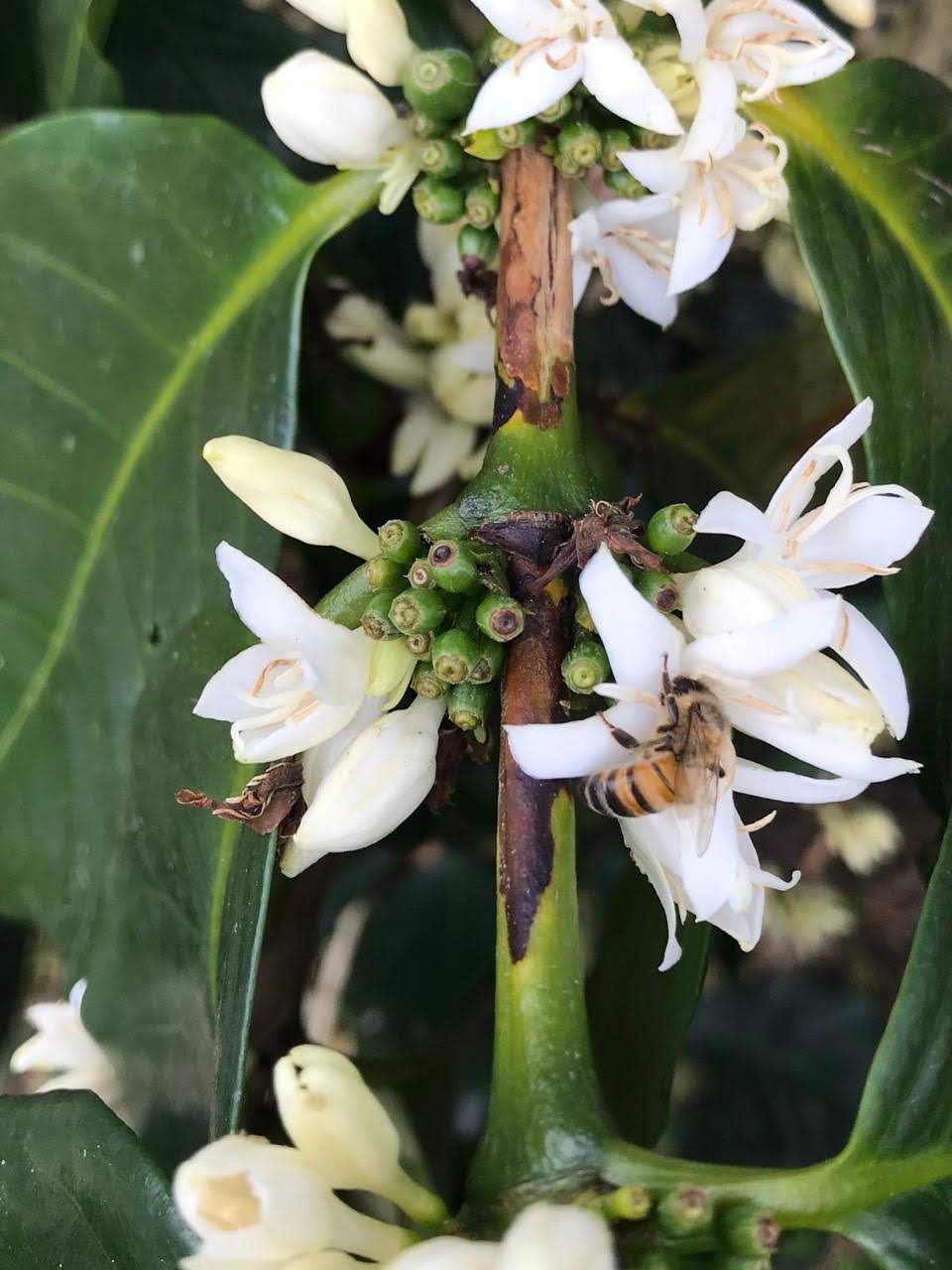
Our efforts start where our beloved coffee comes from and where we most urgently need to fight for its future: on the ground. Through our global network covering 28 countries, NKG’s diversified sustainability efforts reach down to farm level to create sustainable supply chains benefitting everyone contributing to our daily cup of coffee. More than 300 employees worldwide work on solutions to tackle global as well as local challenges. Please learn more about our projects and initiatives in the following.

Our Projects and Initiatives

More to come! 
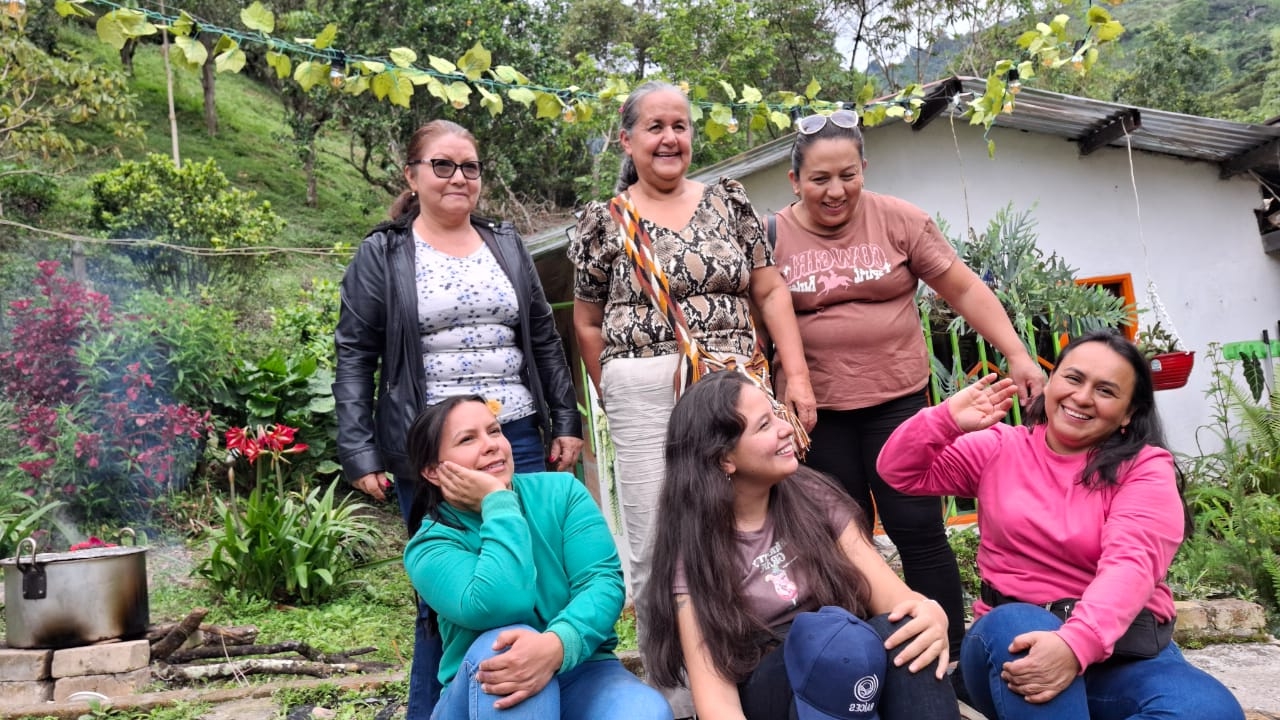
SKN Caribecafé, Colombia
Sustainable Harvest, Brighter Future: Coffee Innovation in Huila
Strengthening Female Coffee Growers

The "Sustainable Harvest, Brighter Future: Coffee Innovation in Huila" project, a collaborative initiative implemented by SKN Caribecafé with the support of IDH – The Sustainable Trade Initiative and Nespresso. Over the past year, the project has worked directly with 1,000 women coffee growers from the Nespresso AAA Program, placing them at the center of a strategy designed to strengthen productivity, sustainability, economic resilience, and long-term prosperity for coffee-growing families. Recognizing that sustainable change starts with people, the project adopted a holistic approach focused on empowering women as agents of transformation within their households and communities. Through a behavioral science assessment with a gender perspective, the project generated valuable insights into the motivations, challenges, and aspirations of women coffee growers, helping shape interventions that respond to their realities and needs.

Ibero Uganda
Uganda Coffee Landscape Action Partnership
Addressing human rights and sustainability risks

Uganda Coffee Landscape Action Partnership (U CLAP) is a pre-competitive initiative bringing together key coffee sector stakeholders, Export Trading Group (ETG), Neumann Kaffee Gruppe (Ibero Uganda), and Sucafina (Ugacof), to address human rights and sustainability risks collaboratively in Uganda’s coffee supply chain. Supported by the Netherlands Enterprise Agency (RVO) and Impact Lines as an independent secretariat, the partnership aligns with evolving EU regulatory requirements, including the CSRD and EUDR. In collaboration with 60 Decibels, U CLAP conducted a comprehensive risk assessment across eight districts in the Greater Masaka region. The study engaged 913 smallholder farmers and 198 hulling station workers to capture firsthand insights into supply chain risks. An innovative survey approach, allowing respondents to indicate the number of applicable issues rather than disclose specific experiences, revealed that the prevalence of sensitive risks may be up to five times higher than measured through direct questioning alone. The findings establish a robust baseline for identifying and prioritizing human rights risks faced by vulnerable groups and strengthening the partners’ ability to implement effective due diligence frameworks. Importantly, the assessment underscores the value of directly engaging affected stakeholders to improve transparency and ensure that interventions are responsive to local needs. Building on these insights, U CLAP is currently developing mitigation measures that focus on two priority risks in collaboration with Solidaridad and CropLife Uganda. As the U CLAP partnership expands, it aims to scale its monitoring and intervention efforts beyond the original region, further enhancing responsible sourcing practices across Uganda’s coffee sector.

NKG Stockler Brazil
Regenerative Agriculture and Carbon Project
Advancing climate smart coffee production in Brazil

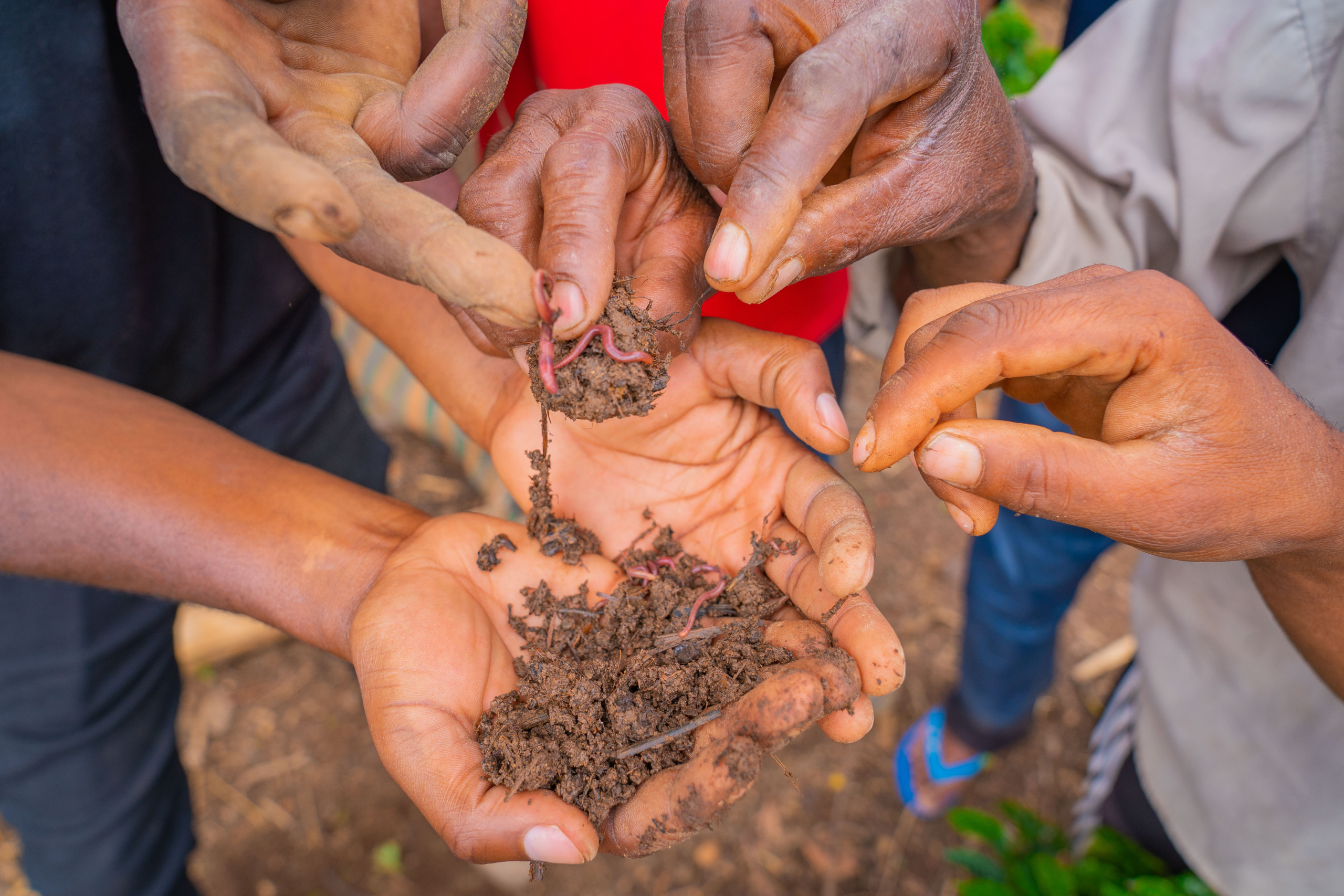
The Regenerative Agriculture and Carbon Project implemented by NKG Stockler in partnership with NESCAFÉ focuses on advancing climate smart coffee production in Brazil. Located in Sul de Minas (Minas Gerais) and Mogiana (São Paulo), the project aims to promote healthier coffee plantations while reducing greenhouse gas emissions. At its core, the initiative supports the transition to regenerative agriculture practices, combining improved soil management, optimized fertilizer use, and the application of organic and biological inputs to address climate-related challenges and strengthen long-term farm sustainability. The scope of the project covers two NKG Verified supply chains, reaching more than 140 farmers across more than 20,000 hectares of coffee cultivation. A network of agronomists works closely with farmers to implement practices and provide hands-on support, while a network of model farms serves as demonstration sites to test and showcase regenerative approaches under real field conditions. Key intervention areas include improved soil health management, fertilization based on soil testing, composting, integrated pest management, and farmer training to ensure the adoption and scaling of these practices. To ensure transparency and track progress over time, the project includes continuous data collection and emissions accounting aligned with recognized methodologies. In addition, it generates co-benefits such as improved water management, increased biodiversity, and reduced input costs for farmers, contributing to both environmental impact and economic viability at the farm level.

BECAMO, Honduras
Childcare Centers for Coffee-Producing Communities
Support of the operation of childcare centers

Seasonal coffee harvesting in Honduras is associated with an increased risk of child labor, particularly in rural producing regions where families often depend on family labor during peak harvest periods. This risk is most pronounced during the harvest season, when parents work long hours on farms and have limited access to safe childcare alternatives. Addressing this risk is part of NKG’s broader approach to human rights due diligence in its coffee supply chains. During the 2025-2026 harvest season, BECAMO supported the operation of childcare centers in coffee-producing communities in western Honduras through local supply chain partners. Seven childcare centers operated for a period of 33 days between December 2025 and January 2026 in the departments of Intibucá, Lempira, and Ocotepeque. The centers provided care for children aged 3 to 14. Each center was staffed with trained coordinators, educators, and support personnel, and operated under defined procedures for supervision, attendance tracking, and child safeguarding. In total, 512 children were enrolled across the seven centers, with an average attendance rate of approximately 70% during the operating period. Over the course of the program, the centers provided more than 47,000 meals, contributing to children’s nutrition alongside daily care and activities. The project was implemented in collaboration with local cooperatives and community organizations supporting local ownership and operational continuity.

NKG Vietnam
Climate Resilient Coffee Farming
Strengthening farmers’ capacities through training

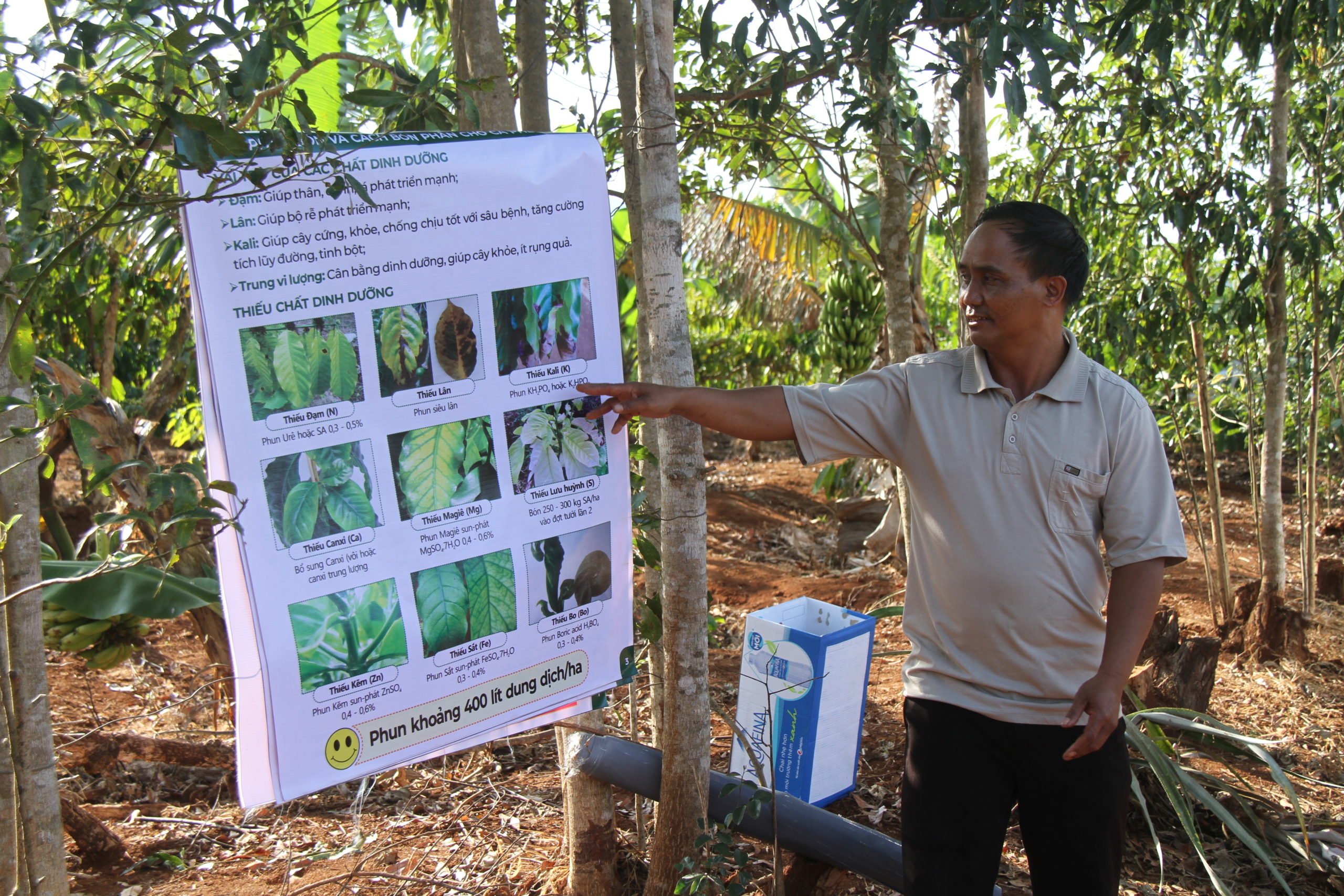
The approach focuses on directly strengthening farmers’ capacities through practical and participatory training methods. This includes classroom-based training, training-of-trainers programs, and farmer field schools. Regular coaching visits supplement the knowledge and skills specific to each farmer and their farm conditions. The knowledge and skills gained from training help farmers change their farming habits by adopting good agricultural practices that protect the environment, improve soil health, and increase coffee yields. Providing fruit trees for intercropping provides shade, helps coffee farms adapt to climate change, and increases farmers' income. In addition, the establishment of demonstration farms and study tours for farmers to the demonstration farms is organized to encourage mutual learning, knowledge exchange, and the adoption of best practices.

Ibero Uganda
Carbon Initiative Uganda
Climate Change Adaptation and Resilience & Living and Prosperous Income

This project by Ibero Uganda and NKG Bero Italia targets large-scale Scope 3 emission reductions through the application of sustainable practices across 4,057 acres. Beyond climate impact, the initiative targets to deliver co-benefits including improved farmer livelihoods, enhanced ecosystem services, and increased biodiversity.

Ibero Kenya
Strategic Partnership for Green Coffee Sourcing in Western Kenya
Climate Change Adaptation and Regenerative Agriculture

A partnership with JDE Peet's, Ibero Kenya, Bernhard Rothfos, and Gusii Coffee Farmers Cooperative Union. Post-Harvest Infrastructure and Efficiency Improvement across all wet mills by renovating infrastructure. Strengthen compliance and operational consistency by developing and enforcing SOPs aligned with Kenyan labour, OSH2, and environmental laws. Promote regenerative and climate-smart agriculture by training at least 70% of farmers in the catchment area on soil health, coffee nutrition, IPM, and water conservation.

Ibero Kenya
Inoi Project
Enhance the resilience and livelihoods of smallholder coffee farmers

In partnership with Tchibo, Rainforest Alliance, and Ibero Kenya the project aims to enhance the resilience and livelihoods of smallholder coffee farmers in Kenya by addressing key challenges, including climate change impacts, market volatility, and limited access to finance and sustainable practices. The ultimate goal is to ensure that coffee farming remains a viable and profitable long-term livelihood.

Ibero Tanzania
100 Farmers
Enhance productivity, improve market access, and promote modern farming techniques

By targeting 100 smallholder farmers and aiming to influence 5,000 farmers and Agricultural and Marketing Cooperative Societies (AMCOS) in Southern Tanzania's Mbeya Rural and Mbozi Districts, the project aspires to enhance productivity, improve market access, and promote modern farming techniques.

NKG Bloom, Mexico
Woman Power Zongolica
20 women grow and produce coffee

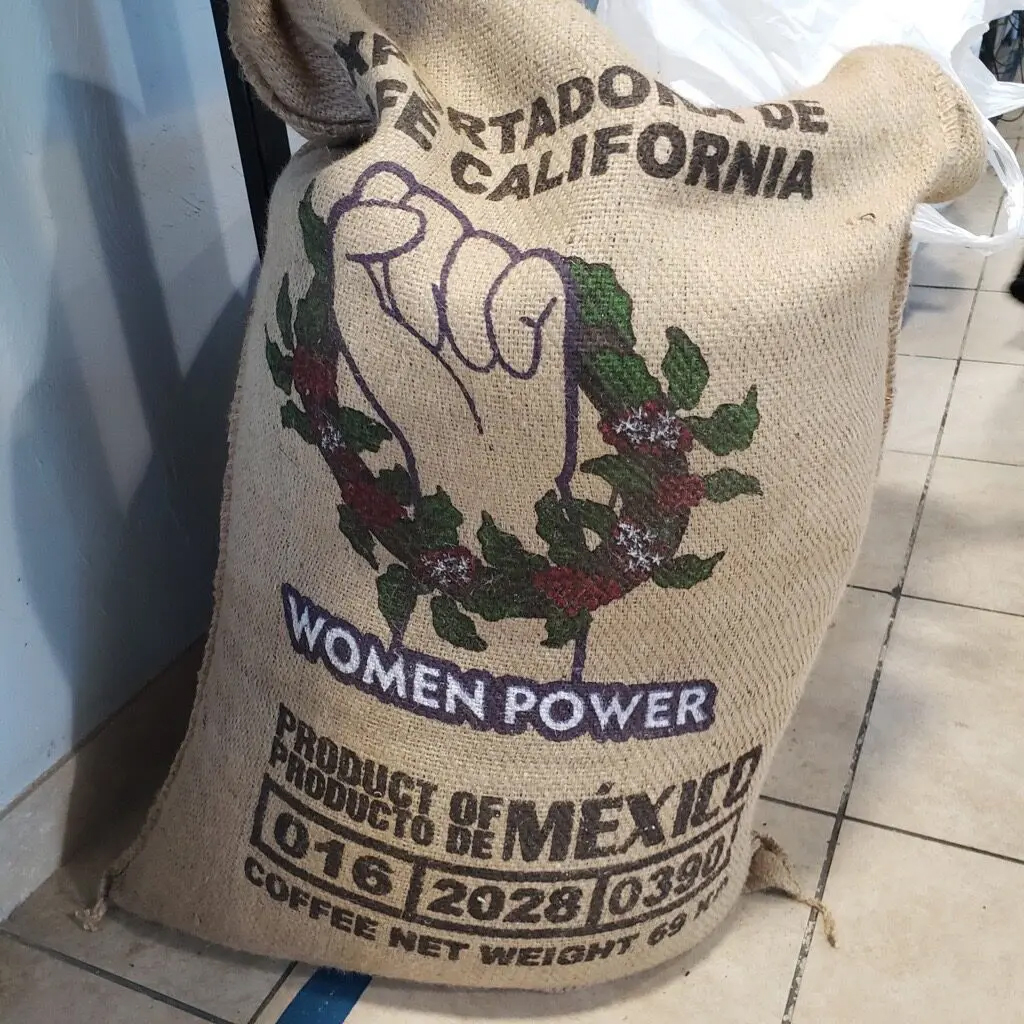
"Women Power Zongolica" is a coffee grown and produced by 20 women. WPZ comes from women in the Zongolica region of Veracruz, Mexico. The region is deeply influenced by the rich, ancestral heritage of its people, most of whom identify as part of the Nahuas indigenous group. Across generations, the Nahuas have shared their language and wisdom about plants, rivers, animals, mountains, the planet and the universe through storytelling by their elders. Coffee farms in Zongolica are agro-ecosystems, meaning the farms take into account the impact of the farming well beyond the farm and work to balance the energy and nutrients to preserve the region’s biodiversity. Intercropping and forest conservation are among the practiced tactics. The coffee was pulped with hand-cranked de-pulpers, washed and dried on patios for 15 days. Twenty producers contributed to this lot, and each adhered to the same practices on her own farm. The women who contributed to WPZ are also part of NKG Bloom, the initiative of NKG to ensure the long-term viability of green coffee supplies and provide smallholder farmers with the opportunities and resources they need to run their farms at full potential and enter pathways out of poverty.

Obstacles to coffee production

Unfortunately, just a few examples

The obstacles lead to an increasing concentration in global coffee production

Over the last five years, the top 5 producing countries (Brazil, Vietnam, Colombia, Indonesia, Ethiopia) Have accounted for
73%
of global coffee production
Over the last five years, the top 5 producing countries (Brazil, Vietnam, Colombia, Indonesia, Ethiopia) Have accounted for
73%
of global coffee production

Source: NKG Statistical Unit

Roasters increasingly depend on few origins, followed by higher supply risk through increasing market volatility (e.g. due to extreme weather events in Brazil & container freight disruptions in Vietnam). For producers the concentration means increasing volatility in coffee markets due to higher dependency on “Top 5”.” 

How can I get involved?

The most immediate way to support our efforts is to buy coffee connected to them,
e. g. from one of our global initiatives NKG Verified or NKG Bloom:

NKG Bloom

NKG Bloom is our initiative to ensure the long-term viability of green coffee supplies by providing smallholder farmers with the opportunities and resources they need to run their farms at full potential and enter a pathway out of poverty.

NKG Verified

NKG Verified offers customers traceable coffees that meet key sustainability criteria. It provides visibility into identified supply chains and their performance on key economic, social and environmental indicators — all verified by a third party.

And there is more:
You can partner with us!

Co-invest in improvements and services in our existing supply chains. Or co-create tailormade initiatives in line with your key topics relying on our networks and expertise. We invite you to share your thoughts with us! Together, we must take responsibility today and build a sustainable coffee industry for tomorrow.

Reach out to our Sustainability Department in Hamburg, Germany: